Fire alarm guide
Fire alarm grades in Reading flats: Grade A to Grade D
Fire alarm systems in blocks of flats carry a grade from A to D. The grade tells you how the alarms are powered, whether they link together and if a central panel controls them. Find out what each one means for your home.
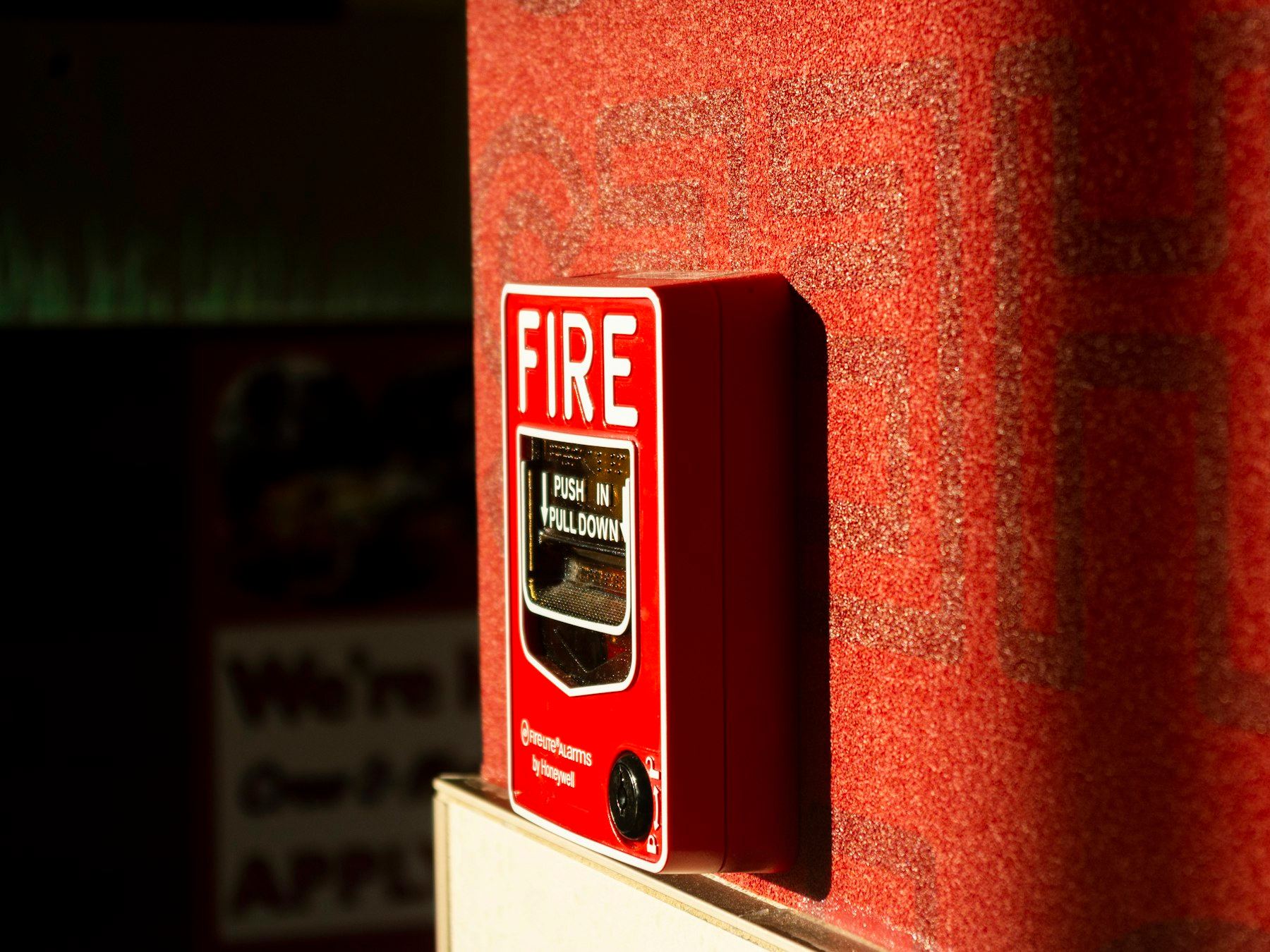
What fire alarm grades mean for your block
Every block of flats in Reading has some form of fire detection, but the hardware varies widely. British Standard BS 5839-6 sorts these systems into grades. The grade describes how the alarms receive power, whether they talk to each other and if a single control panel runs the lot.
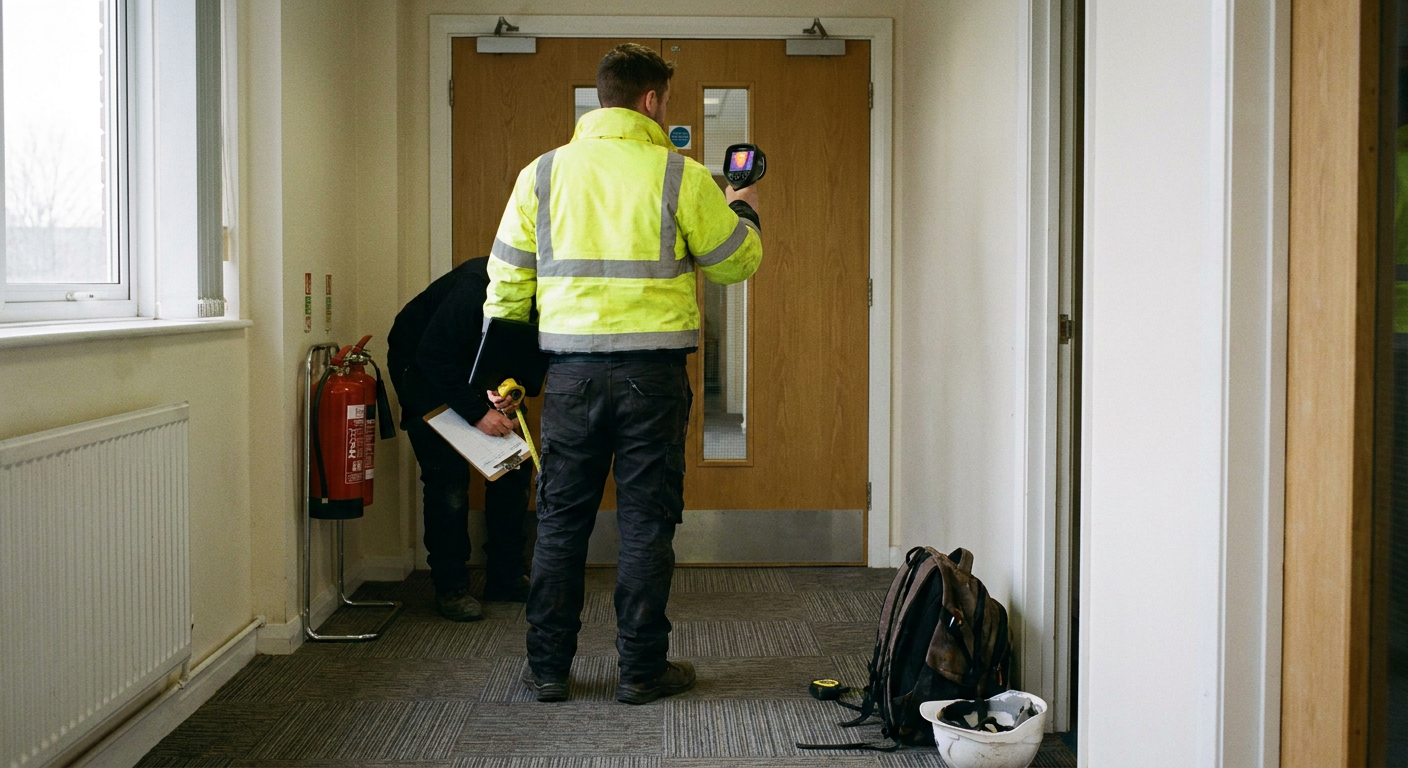
A higher letter does not automatically mean a better fit for every building. The right grade depends on the height of the block, the number of homes inside it and the evacuation plan already in place. A specialist firm will look at all of this during a <a href="/fire-risk-assessment-reading">fire risk assessment</a> before recommending any changes.
If you live in a converted house split into flats, or a purpose-built block near the town centre, the system protecting you will fall somewhere on this scale. Knowing which grade applies helps you understand what should happen when an alarm sounds.
Grade A systems with panels and sounders
A Grade A system is the most complete setup available for residential buildings. It uses a central control panel, usually mounted in a communal hallway or entrance lobby. Separate detectors and sounders wire back to this panel, and the whole arrangement includes a backup battery so the alarms keep working if the mains power fails.
You will typically find Grade A in taller blocks or buildings where the layout makes escape routes complex. Because every detector reports back to one point, maintenance teams can identify exactly which flat triggered the alarm without searching floor by floor.
The responsible person for the building must arrange regular testing. This goes beyond pressing a button once a month; the panel logs faults and battery levels that need checking. A <a href="/fire-strategy-reading">fire strategy</a> document will state how often the specialist firm should inspect the panel and replace parts.
Grade B and Grade C setups in shared homes
Grades B and C sit between the full panel system and the basic smoke alarms you buy in a shop. They are less common in standard blocks of flats but appear in larger houses in multiple occupation and some student lets around Reading.
A Grade B system has a control panel like Grade A, but the components are simpler and the wiring rules differ slightly. Grade C uses mains-powered detectors linked together, often without a dedicated panel. Instead, the alarms communicate directly with each other so that when one sounds, they all sound.
Landlords managing shared housing need to check which grade their property requires. The rules depend on the number of occupants and the layout. An <a href="/hmo-fire-risk-assessment-reading">HMO fire risk assessment</a> clarifies whether the existing alarms meet the current standard or need upgrading before new tenants move in.
Grade D alarms in individual flats
Most individual flats rely on Grade D alarms. These are mains-powered smoke or heat detectors with a built-in backup battery. If the electricity cuts out, the battery takes over so the alarm still works.
Grade D comes in two forms. Grade D1 uses a sealed battery designed to last the life of the alarm itself, usually around ten years. Grade D2 uses a replaceable battery that needs changing periodically. Both types must wire into the mains supply rather than running on batteries alone.
In many Reading flats, the alarms inside each home do not link to the communal system. This supports a stay-put policy, where only the affected flat evacuates while others remain safe behind fire doors. You can read more about how <a href="/updates/stay-put-or-simultaneous-evacuation-in-reading-flats">stay put or simultaneous evacuation</a> works in local blocks to understand why the alarms are set up this way.
How the building decides which grade fits
The grade is never a guess. It follows from the building's construction, its escape routes and the fire strategy written for it. A specialist firm reviews the compartmentation, checks the fire doors and assesses how quickly smoke could spread through communal areas before settling on a recommendation.
Older conversions might start with Grade D alarms in each flat and no communal detection at all. Newer builds often include a Grade A system covering hallways and plant rooms. Changes in regulations sometimes require upgrades, particularly after major incidents elsewhere prompt updates to national guidance.
If you have received a letter about fire safety works in your block, it may relate to the alarm grade. Understanding your <a href="/rules/responsible-person-duties-reading">responsible person duties</a> or asking the freeholder what the notice means will clarify whether the change affects your home directly or only the shared corridors outside it.
Ask about the alarms in your block
Send the details of your building and a specialist firm will review what grade applies. This enquiry does not commit you to any work or cost.
- No obligation to proceed
- Local specialists only
- Clear written advice