How it works
The fire risk assessment process, step by step
Find out what happens when you send an enquiry about your home or building. Learn how the specialist firm carries out a fire risk assessment, what affects the cost and what paperwork you receive at the end.
What changes the cost of the work
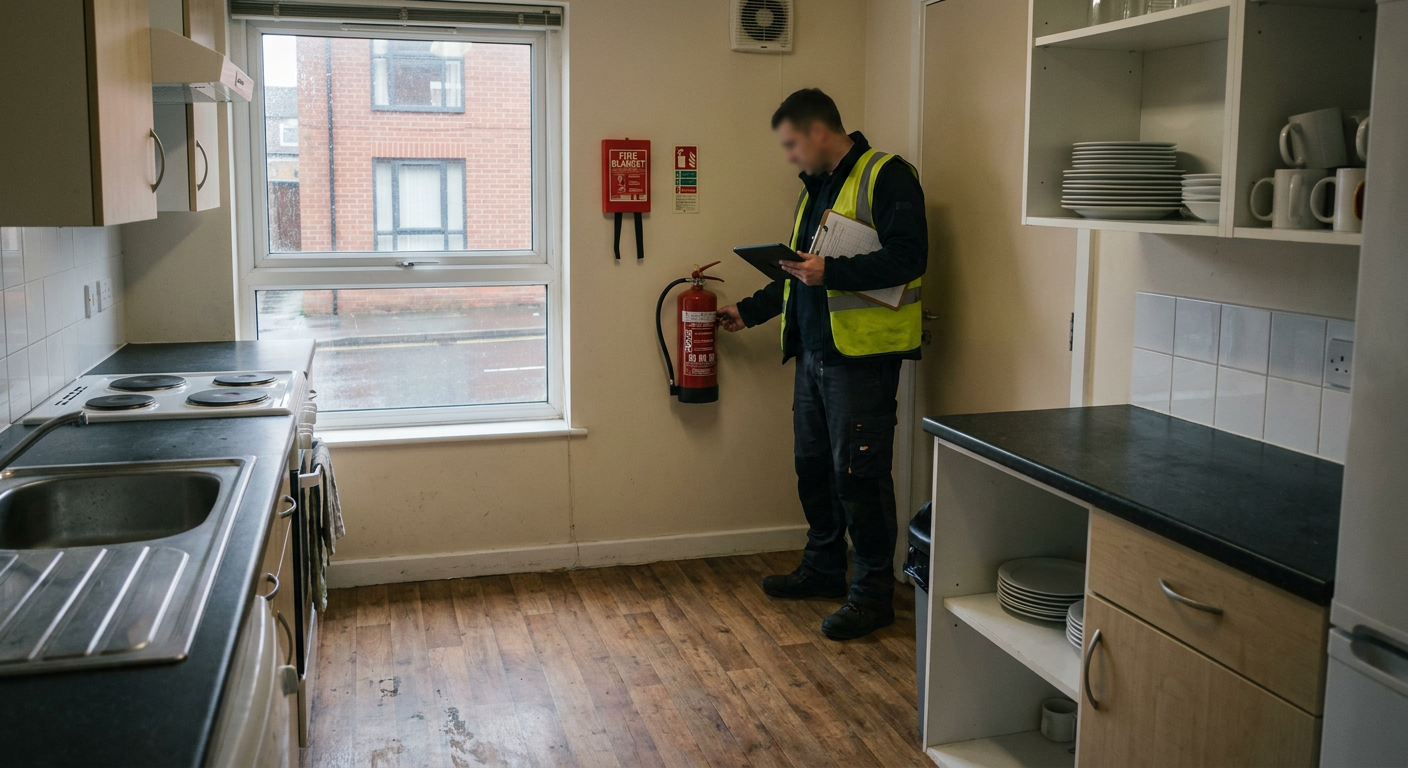
Every building is different, so the time a specialist needs on site varies. The layout, the use and the state of the fire precautions all shape the job.
- Size and layout
- A larger home with more rooms takes longer to walk through than a small flat, so the inspection takes more time.
- How the building is used
- An HMO or student let has shared escape routes and specific rules that add steps to the assessment.
- Existing fire precautions
- Where alarms, emergency lighting or fire doors are already fitted, the specialist checks each one individually.
- Number of residents
- More people living in the home means more evacuation routes to consider and record in the plan.
The specialist explains the cost of the particular job before anything is agreed.
What you receive after the inspection
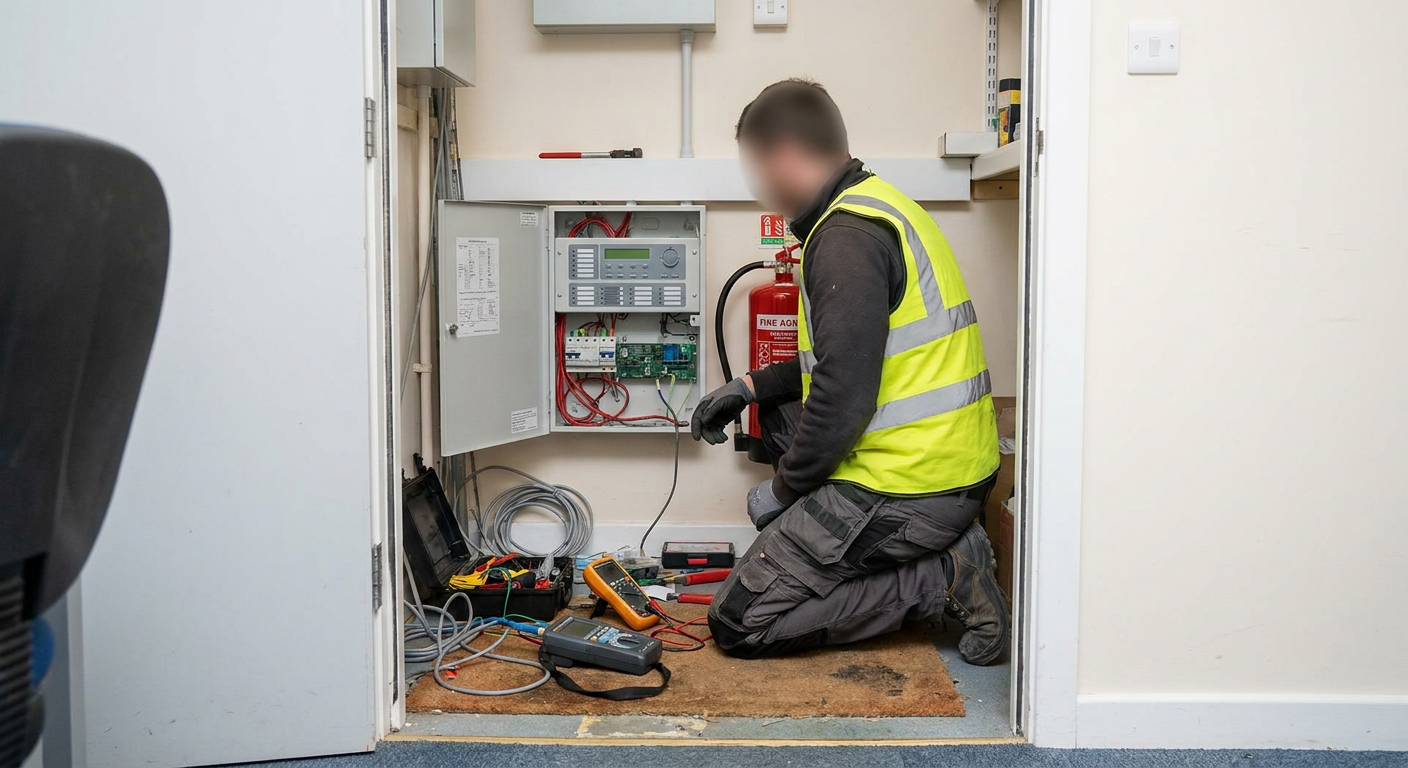
The specialist records what they find during the visit and sets out their judgement in writing. You get a clear account of the risks and the steps needed to manage them.
- Written report
- A document recording every hazard found, who might be harmed and what the specialist recommends doing about it.
- Action plan
- A list of tasks sorted by urgency, so you know which repairs or changes to make first.
- Floor plans
- Drawings marking escape routes, fire doors and alarm points so residents know how to leave safely. Find out more about [fire evacuation plans in Reading](/fire-evacuation-plans-reading).
Working out which situation is yours
Seeing something wrong in your home does not tell you exactly what the problem is. Only an inspection settles that. What matters is how soon you should ask someone to look at it, because some signs need attention faster than others.
-
I received a letter from the council about fire safetyToday
The local authority has identified a problem with the building and expects the responsible person to act within a set deadline.
What to do Read the notice carefully and arrange an inspection to find out what must change.
-
A fire door in my hallway will not close fully on its ownSoon
The closer may be broken or the hinges warped, leaving the stairwell open to smoke if a fire starts.
What to do Ask a specialist to inspect the door and its hardware.
-
I am renting out rooms and have no fire risk assessmentSoon
Landlords letting to multiple tenants must hold a current assessment covering the shared parts of the home.
What to do Book a fire risk assessment for the HMO.
-
The smoke alarm in the hall keeps chirpingWorth watching
A regular chirp usually signals a low battery or a unit reaching the end of its working life.
What to do Replace the battery or the alarm and note the date.
None of this diagnoses your particular home. If a problem appeared suddenly or is getting worse quickly, ask about it now rather than waiting.
Send details about your home
Your message goes to a specialist firm that handles fire risk management in Reading. They will read what you describe and reply with the next step. Sending an enquiry does not commit you to any work or payment.
- No obligation
- Local specialists
- Clear replies