Services
Fire safety services in Reading
Every fire safety service available for homes and buildings in Reading. Find out what each one involves, who carries it out, and which page answers your specific worry.
Assessing the risk of fire in your building
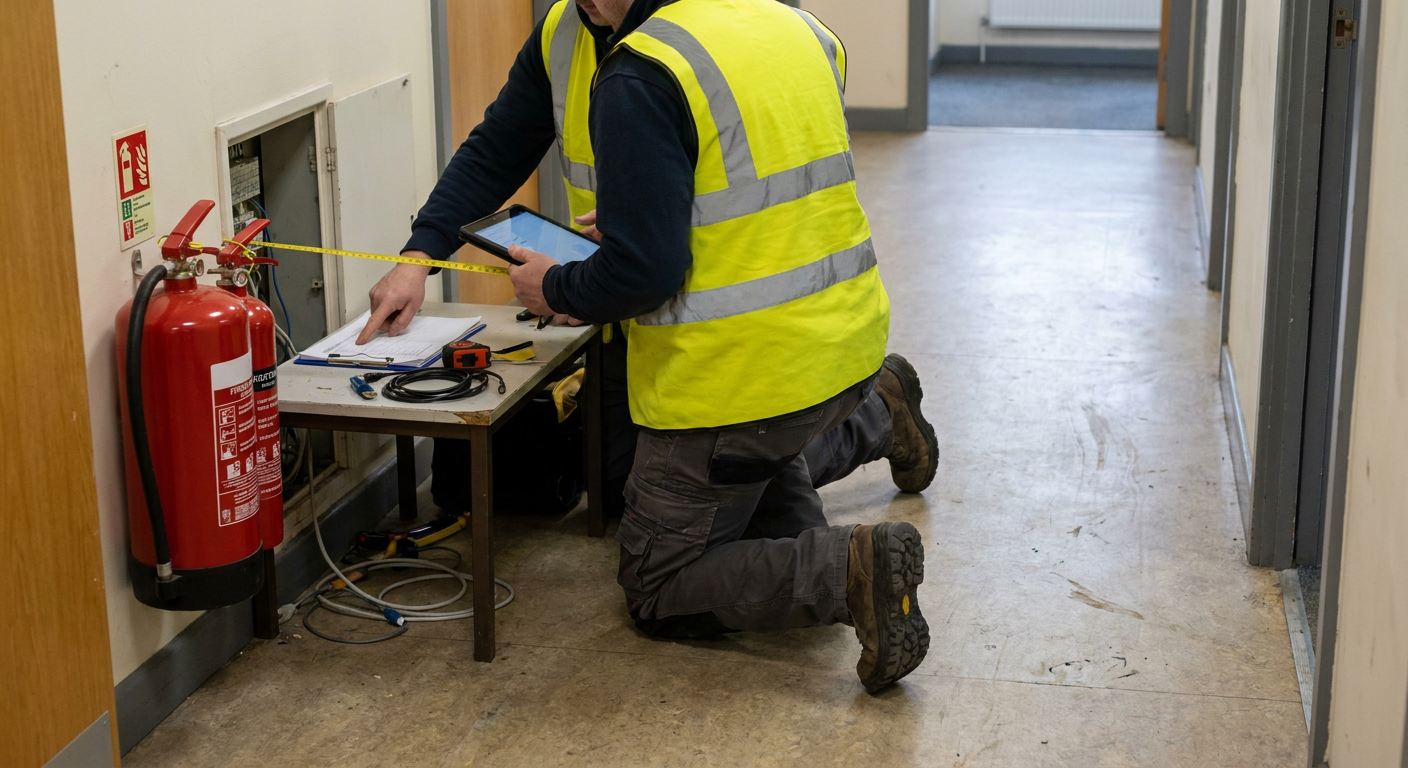
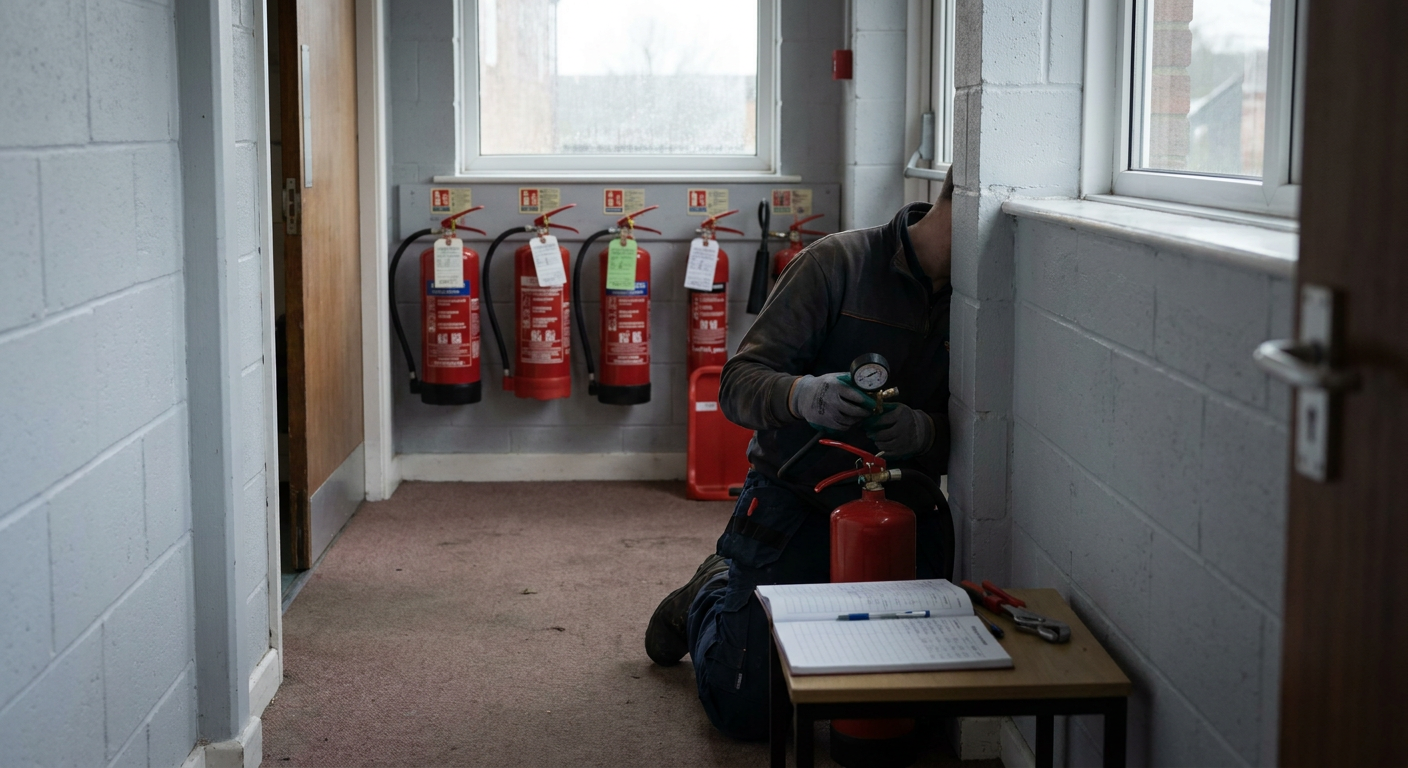
A fire risk assessment is the starting point for any building where people live or work together. The specialist firm examines how a fire might start, how it could spread, and whether the people inside can get out safely. They look at the layout, the materials, the alarms, and the habits of the people who use the space.
For landlords renting to multiple households, an HMO fire risk assessment covers the shared hallways, kitchens, and escape routes that tenants rely on every day. Student accommodation requires its own checks before new tenants move in each September, because the turnover is high and the risks change with every new group.
If you have received a letter from the council or the fire service, enforcement action means you need an assessment done quickly. The specialist handles these situations regularly and knows what the notice requires. You can read more about what a fire risk assessment involves and whether yours has expired.
Doors, walls, and stopping the spread of fire
A fire door only works if it closes properly and seals the gap between itself and the frame. The specialist inspects the hinges, the closers, the intumescent strips, and the smoke seals. They measure the gaps around the edges because even a few extra millimetres will let smoke through long before flames arrive.
Compartmentation is the principle behind those doors. A compartmentation survey checks whether the walls, floors, and ceilings separating different parts of a building will actually hold back a fire for the time they are designed to. In older buildings, pipes and cables pushed through walls over the years often leave hidden gaps that defeat the whole system.
Both inspections produce a report showing exactly where the problems are. The specialist firm then recommends what needs fixing. You can find out how often fire doors must be checked under current regulations.
Plans, strategies, and knowing what to do
A fire strategy sets out the overall approach for a building. It considers how many people are inside, how fast they can move, and what systems are in place to warn them. For blocks of flats in Reading, the strategy also determines whether residents should stay put or evacuate together when an alarm sounds.
Evacuation plans turn that strategy into clear instructions. They map the routes, name the assembly points, and assign roles so nobody is left guessing during an emergency. Where someone cannot use the stairs without help, a personal emergency evacuation plan records exactly how they will get out.
Staff who work in these buildings need fire safety awareness training to understand what the alarms mean and when to act. Fire warden training goes further, preparing specific people to sweep areas, check rooms, and guide others out. The specialist delivers both types of training on site.
Ongoing responsibility and professional support
The law places the duty for fire safety on a specific person, usually the landlord, the freeholder, or the employer. If that responsibility falls on you, a nominated fire safety person can handle the day-to-day tasks so you meet your legal obligations without managing every detail yourself.
Health and safety reports cover the wider risks in a building, including fire but extending to slips, electrical faults, and structural concerns. These reports give you a single document showing what is safe and what needs attention.
All of this work applies across Reading. Flats and shops in Whitley face the same requirements as businesses and rented houses in Earley. The rules do not change from one suburb to another, but the buildings do, and the specialist accounts for those differences in every report they write. A written fire safety policy ties everything together, setting down the procedures your building follows every day.
Ask about fire safety in your home
Send a message describing what you have noticed. The details go to a specialist firm in Reading who will reply with what to do next. There is no obligation to book anything.
- No obligation to proceed
- Local specialists respond
- Your details stay private
Services
- Fire risk assessment
A fire risk assessment in Reading reviews escape routes, alarms, fire doors and ignition sources, and sets out the actions needed for your premises.
- Fire door inspection
A fire door inspection in Reading checks gaps, seals, hinges and closers on flat entrance and communal doors, and records what needs putting right.
- Compartmentation
A compartmentation survey in Reading checks walls, floors, ceilings and service penetrations for gaps that let fire and smoke spread between flats.
- Fire Strategy
A fire strategy in Reading sets out how a building protects people: escape routes, compartmentation, alarms and who does what. See what one covers.
- Evacuation Plans
Fire evacuation plans in Reading cover escape routes, assembly points, roll call and help for anyone who needs assistance to get out of the building.
- Awareness Training
Fire safety awareness training in Reading gives staff the basics: spotting hazards, raising the alarm, using escape routes and when not to tackle a fire.
- Warden Training
Fire warden training in Reading covers floor sweeps, assembly point duties, drills and records, so wardens know their role during an evacuation.
- Nominated person
A nominated fire safety person in Reading takes on named responsibility for day to day fire safety duties, from checks and records to staff questions.
- Safety reports
A health and safety report for a property or workplace in Reading sets out hazards found, risk ratings and the actions needed, with records you can keep.