Guides and updates
Fire risk management articles for Reading buildings
Find out what a crack near a fire door means, when an assessment needs reviewing, and what the law expects from landlords. These guides cover alarms, escape routes and the duties that fall on owners of buildings in Reading.
What a fire risk assessment and survey involve
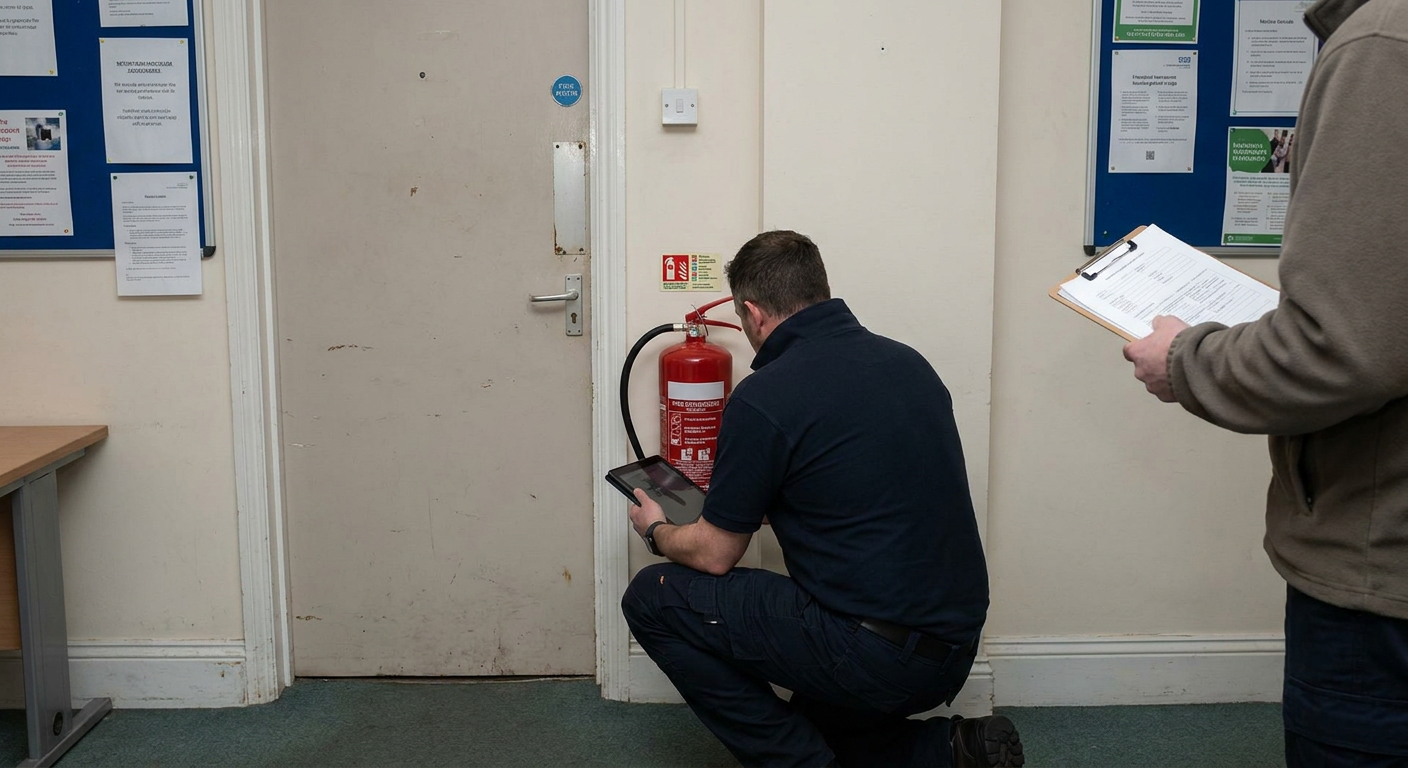
A fire risk assessment is the starting point for any building where people live or work. The specialist firm examines escape routes, ignition sources and the measures already in place to keep residents safe. If you are unsure whether your home needs one, the guide to fire risk assessments in Reading sets out which buildings require them and why.
For houses in multiple occupation, the rules are stricter. Landlords must arrange a specific HMO fire risk assessment because shared kitchens and hallways change how quickly smoke spreads. Student accommodation carries its own set of checks before each academic year begins, and the guide to student let inspections explains what must happen before September.
Compartmentation is another part of the picture. A compartmentation survey looks at the walls, floors and ceilings that separate one flat from another. When those barriers fail, fire moves through a building faster than anyone planned for. The specialist firm records every breach so it can be sealed properly.
Doors, alarms and emergency lighting
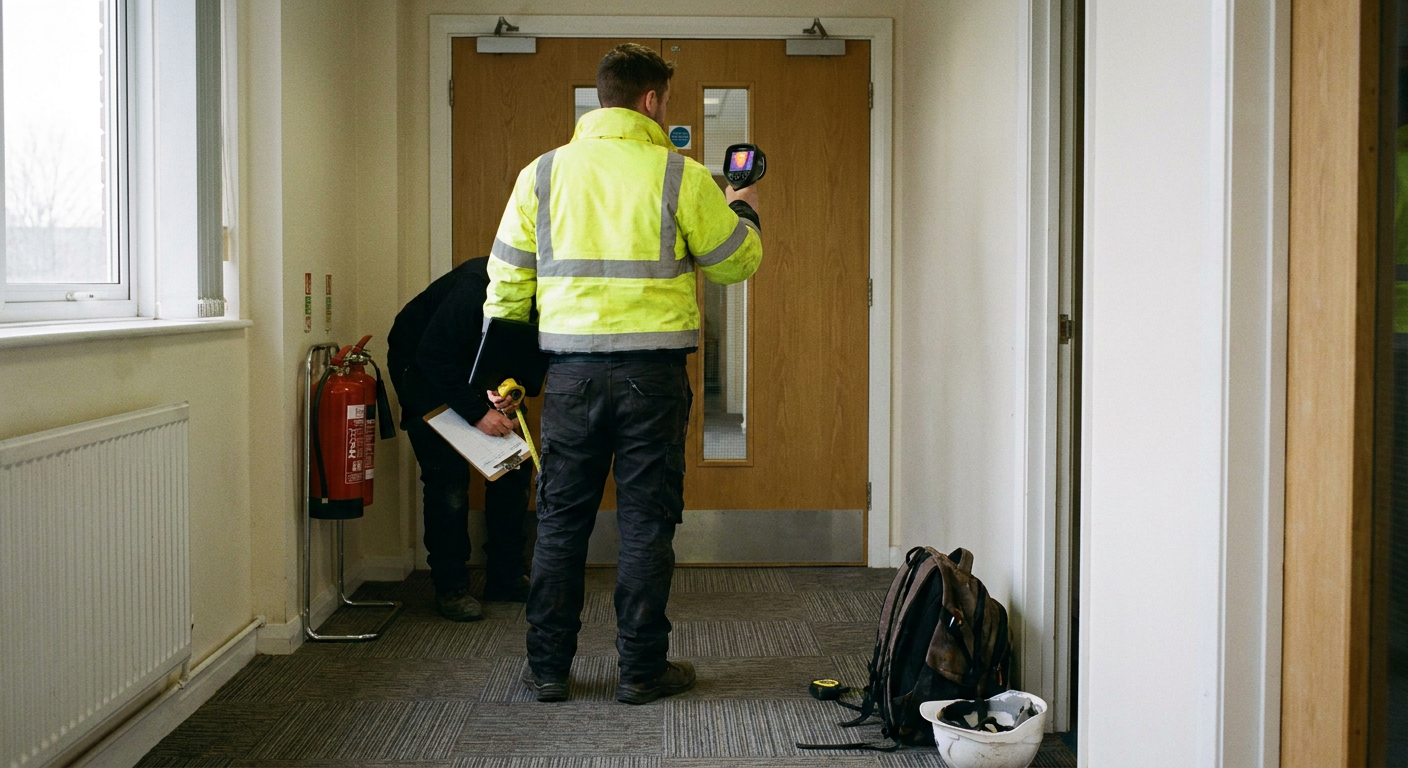
Fire doors only work when they close fully and seal against the frame. Gaps wider than a few millimetres, broken intumescent strips or damaged hinges all stop a door doing its job. The guide to fire door inspection in Reading explains what the specialist firm looks for and how often checks should happen.
Alarms come in different grades depending on the building. A block of flats usually needs a higher specification than a single house. The article on fire alarm grades covers the difference between Grade A and Grade D systems and where each one belongs.
Emergency lighting matters just as much as alarms. If the power fails during a fire, residents need lit corridors to find their way out. Monthly testing keeps battery-backed lights working, and the guide to emergency lighting checks sets out what a responsible person should do each month to stay compliant.
Evacuation plans and personal escape routes
Every building needs a clear plan for getting people out. Fire evacuation plans map the routes and assign roles so nobody is left guessing when an alarm sounds. In blocks of flats, the strategy depends on the construction. Some buildings use a stay-put policy while others require everyone to leave at once. The guide to stay-put versus simultaneous evacuation explains how the specialist firm decides which approach applies.
Some residents cannot use stairs without help. Personal emergency evacuation plans exist for exactly this reason. The article on PEEPs in Reading describes how these plans support people with mobility problems, ensuring someone knows they need assistance before the fire service arrives. Without a plan, vulnerable residents are left to chance.
Training, wardens and nominated people
Knowing the escape route is not enough if nobody understands how to raise the alarm or direct others. Fire safety awareness training gives staff and residents the basics. For larger buildings, fire warden training goes further, teaching specific people how to sweep a floor and account for everyone.
The law also requires a named individual to take charge of fire safety. This nominated person holds responsibility for keeping records up to date and arranging reviews. The guide to nominated person duties explains what the role involves and how a specialist firm supports them. Health and safety reports sit alongside this work, documenting hazards beyond fire that affect residents daily.
Legal duties and enforcement notices
The responsible person carries the legal burden. Whether that is a landlord, a managing agent or a homeowner running a business from their house, the duties are set out in legislation. The guide to responsible person duties explains what the law says and where liability falls.
If the fire authority finds problems, they issue an enforcement notice. Receiving one does not mean a building is about to burn down, but it does mean action is required within a deadline. The article on fire safety letters and notices walks through what to do next and how the specialist firm helps resolve the issues raised.
The Fire Safety Regulations 2022 added new requirements for flats in buildings over eleven metres. The guide to those regulations covers what changed for Reading landlords.
Local areas around Reading
Fire safety rules apply across the whole town, but the types of buildings vary by area. Whitley has a mix of converted shops, small blocks of flats and HMOs that each present different risks. The guide to fire risk assessments in Whitley covers what the specialist firm typically finds there.
Earley sees more family homes let to professionals and students alike. Landlords operating there face the same legal duties but often deal with older stock where compartmentation was never part of the original build. The Earley guide addresses the common problems in that area.
Both suburbs fall under the same enforcement framework. The articles covering parts of Reading explain how location shapes the type of assessment needed and what local housing conditions mean for fire safety planning.
Ask about fire safety in your home
Send details about your building and the problem you have noticed. The enquiry goes to a specialist firm who will respond directly. There is no obligation to book anything.
- No commitment to book
- Direct reply from specialists
- Covers all Reading postcodes