Enforcement guide
Fire safety enforcement notice: what to do
A letter from Royal Berkshire Fire and Rescue Service means something specific must happen by a set date. Find out what each notice requires, who handles the work, and how to meet the deadline without panic.
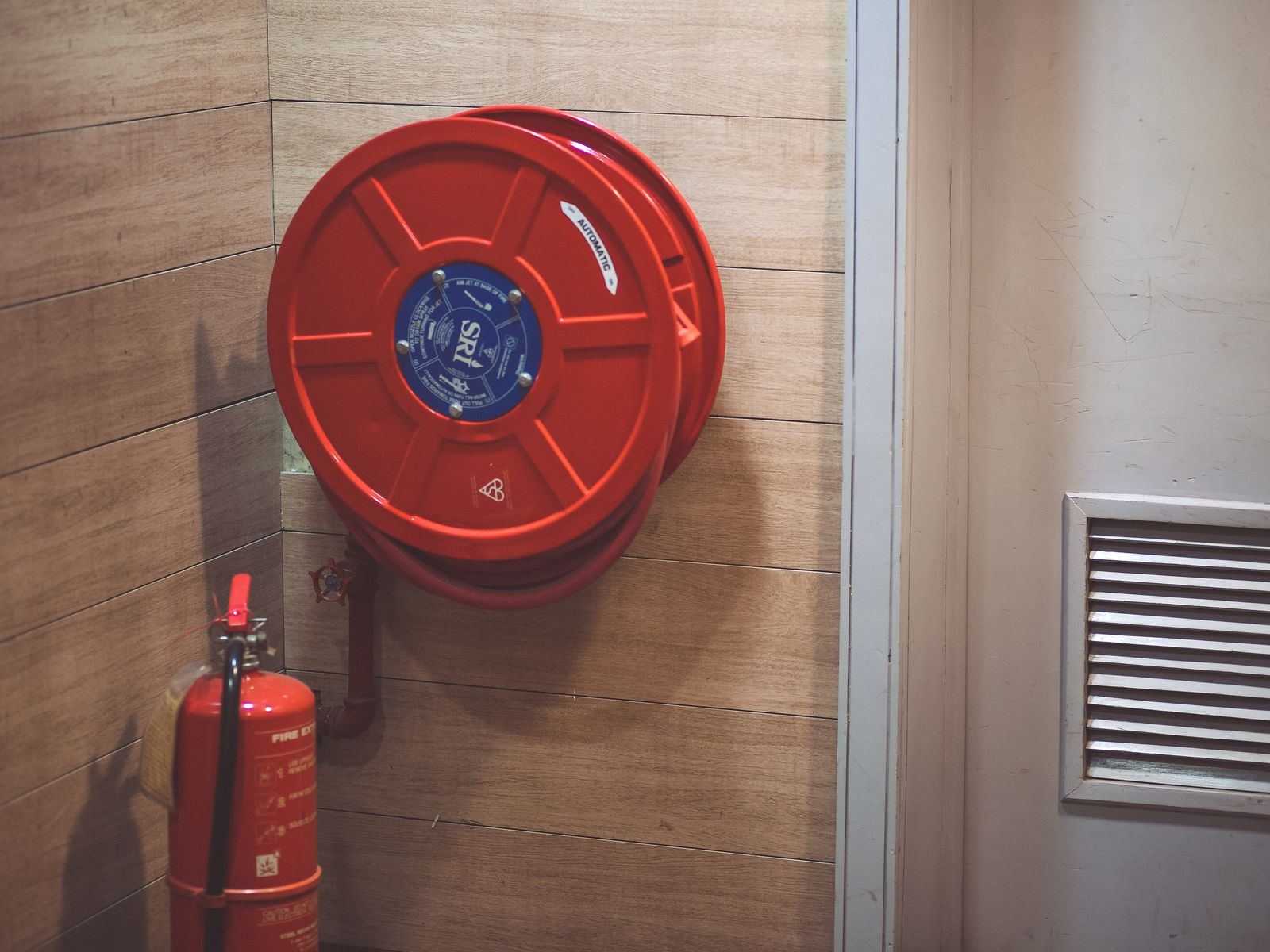

Receiving a fire safety audit letter from the local service
When a letter arrives from Royal Berkshire Fire and Rescue Service about your building, the first step is reading it carefully rather than setting it aside. A royal berkshire fire service audit usually follows an inspection where the officer found something that needs attention. The letter will name the building, describe the problem, and state what must happen next.
If you are searching for fire safety audit letter help because the wording feels dense, look for the reference number and the deadline. Those two details matter most. Responding to fire safety notice requirements starts with acknowledging receipt. Silence makes things worse. The fire service wants to see progress, so a short written reply confirming you have read the letter and are arranging the necessary work sets the right tone.
For homes converted into flats or shared houses in Reading, the responsible person is usually the landlord or the managing agent. If you are unsure whether the duty falls to you, check the [responsible person duties](/rules/responsible-person-duties-reading) guide. That page sets out who holds legal responsibility under the Regulatory Reform (Fire Safety) Order 2005.
Deficiency, enforcement and prohibition notices
Not every letter carries the same weight. A deficiency notice points out problems that should be fixed but does not carry the immediate legal force of an enforcement notice. An enforcement notice sets a firm deadline. Missing that deadline is a criminal offence. A prohibition notice goes further: it restricts the use of part or all of a building until the danger is removed. Receiving a prohibition notice building reading residents sometimes face means nobody should occupy the affected area until the fire service lifts the restriction.
The difference matters when planning your response. A deficiency might require a new [fire risk assessment](/fire-risk-assessment-reading) or updated records. An enforcement notice often demands physical changes, such as replacing doors that fail to close properly. A specialist firm can carry out a [fire door inspection](/fire-door-inspection-reading) to identify which doors need repair or replacement and produce a report the fire service will accept.
If the notice relates to the structure separating one flat from another, a [compartmentation survey](/compartmentation-survey-reading) checks whether walls, floors and service penetrations still resist fire spread. The resulting report gives the fire service proof that the hidden gaps have been identified and addressed.
Deadlines, fines and keeping the work on track
How long you have to respond depends entirely on the notice. An enforcement notice states its deadline clearly, often allowing 28 days, though complex buildings may be given longer. For blocks of flats, the enforcement notice deadline flats managers face is strict because multiple households are at risk. There is no informal extension unless the fire service agrees to one in writing after seeing genuine progress.
Will you be fined or prosecuted if the work is already under way? Prosecution generally follows a failure to act, not a delay caused by arranging proper repairs. Document everything. Keep invoices, emails to contractors, and booking confirmations. If you are wondering about a fire safety breach what next steps apply, the answer is always to show the fire service that you have taken the matter seriously and started the required work.
Speed matters, but so does accuracy. A specialist firm accustomed to working in Reading can often schedule a [fire strategy](/fire-strategy-reading) review or an assessment within days of an enquiry. Ask them directly whether their availability fits your deadline before committing.
Who should manage the response to the notice
In a single home converted into an HMO, the landlord holds the duty. In a purpose-built block of flats, the freeholder or the managing agent is usually responsible. If you employ a managing agent, they should handle the correspondence, but the legal duty remains with the responsible person. You cannot delegate liability simply by handing over the letter.
You can ask a fire risk assessor to attend a follow-up meeting or audit with you. While the assessor does not represent you legally, having someone present who understands the technical language helps you grasp exactly what the officer expects. They can explain why a particular [evacuation plan](/fire-evacuation-plans-reading) was criticised or why the alarm system does not meet current standards.
For student lets or shared housing near the university, the expectations are higher. The fire service looks closely at [student accommodation fire safety](/student-accommodation-fire-safety-reading) because occupants change frequently and may not know the escape routes. Arranging [fire warden training](/fire-warden-training-reading) for staff or long-term tenants demonstrates that you are thinking beyond paperwork.
Evidence the fire service expects to see
Once the physical work is done, the fire service needs proof. This is not a matter of sending a quick email saying the job is finished. They expect documented evidence: a revised [fire risk assessment](/fire-risk-assessment-reading), certificates for any installed equipment, and reports from specialist surveys.
If the notice required improvements to alarm coverage, the evidence might include commissioning certificates showing the new system meets the correct grade. For buildings with residents who need extra help leaving, a record of [personal emergency evacuation plans](/updates/personal-emergency-evacuation-plans-for-reading-flats) shows the fire service that vulnerable people have been considered individually.
Where the notice highlighted poor maintenance routines, producing a log of [emergency lighting testing](/updates/emergency-lighting-testing-in-reading-monthly-checks) proves that monthly checks are now happening. If staff knowledge was the issue, certificates from [fire safety awareness training](/fire-safety-awareness-training-reading) sessions provide a clear paper trail.
Keep copies of everything in one folder. When the inspecting officer returns, hand over the complete set rather than making them ask for individual documents. A tidy, chronological file signals competence and reduces the chance of further action.
Common questions about fire notices
-
Straight answers to the things people ask when a letter from the fire service lands on the mat.
- First steps after a letter
- Read the deadline and reference number. Reply in writing to confirm receipt and state that you are arranging the required work.
- Time allowed to respond
- The notice states the exact deadline. Enforcement notices typically allow 28 days, but complex buildings may receive longer.
- Meeting tight deadlines
- Specialist firms in Reading often schedule assessments within days. Confirm their availability against your deadline before booking.
- Notice types compared
- A deficiency notice advises. An enforcement notice compels by a deadline. A prohibition notice stops use of the building until fixed.
- Risk of prosecution
- Prosecution follows inaction, not the process of arranging repairs. Keep dated records of every step taken to show progress.
- Who handles the response
- The responsible person named in law, usually the landlord or managing agent, must deal with the notice and retain liability.
Tell us about the notice you received
Send the details here. A specialist firm will review the requirements and contact you to discuss what needs doing. This does not commit you to any work or cost.
- No obligation to proceed
- Local Reading specialists
- Fast initial review