Seasonal guide
Fire safety checks for student lets in Reading
September turnover means empty rooms and new tenants arriving within days. Find out what to look at before tenancies start, from alarms and door closers to kitchen risks, and when to ask a specialist to assess your Reading student house.

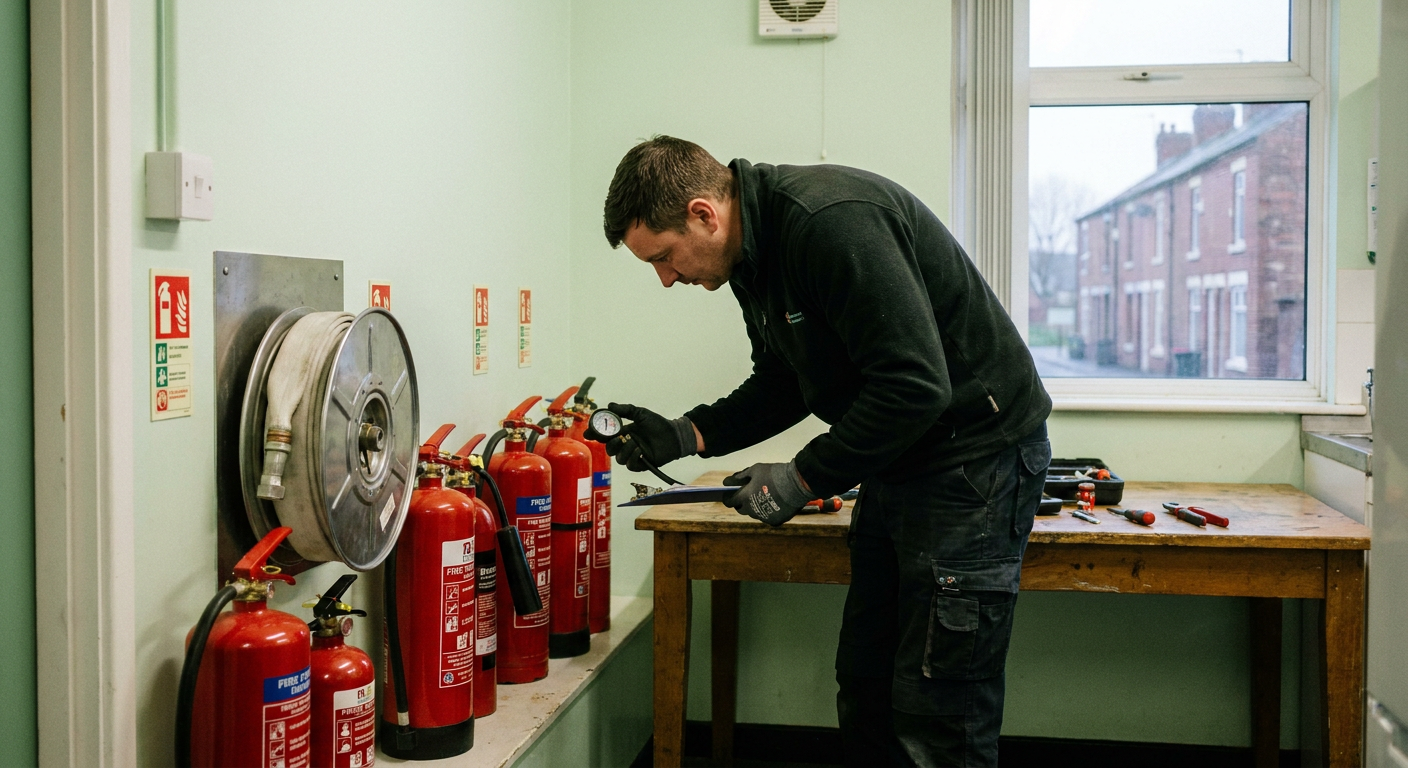
Why September matters for student let fire safety
Every August, student houses across Reading empty out and fill up again within weeks. That gap is the only quiet window to run through fire safety checks for student lets before the next group moves in. New tenants do not know the layout, where the exits are or how the alarms sound. A problem left from June becomes someone else's risk by mid-September.
Landlords managing an HMO in areas like Whitley or Earley face extra pressure because the council expects evidence that checks happened. An HMO licence in Berkshire depends on meeting those conditions, so leaving things until the first week of term is too late. The specialist firm carrying out a fire safety inspection on a student let will look at the building as it stands now, not as it was twelve months ago. Furniture moves, doors warp and smoke seals peel away over a single academic year.
Running through a checklist before the new tenancy begins means problems get fixed while the rooms are still empty. It also gives you time to book a specialist if something needs more than a quick adjustment.
Alarms, escape routes and the hallway
Shared houses need a working alarm system that covers every bedroom, the hallways and the kitchen. Student house fire alarm requirements usually point toward interlinked units, so a detector in one room sounds everywhere. The responsible person must test them regularly, and the record of those tests needs to exist before anyone asks for it. Read more about [fire alarm grades](/updates/fire-alarm-grades-in-reading-flats-grade-a-to-grade-d) to understand which category applies to your building.
Escape routes cause the most arguments in shared homes. Bikes lean against walls, shoes pile up near the front door and boxes sit on the stairs because nobody has claimed them yet. A blocked hallway slows everyone down during a fire. Clear routes are a basic requirement, and the specialist assessing the property will note anything that narrows the path to the exit. If you manage several properties, reading about [fire evacuation plans](/fire-evacuation-plans-reading) helps set a standard across all of them.
Kitchens in student houses take heavy use. Extractor fans clog with grease, and toaster crumbs build up fast. Check that appliances are clean and that nothing flammable sits next to the hob.
Doors, seals and compartmentation
Bedroom doors in a licensed HMO generally need self-closing devices and intumescent strips. Shared house fire door rules exist because a closed door holds back smoke long enough for people to get out. If the closer has been removed or painted over, the door will not shut properly when it matters. A specialist can carry out a [fire door inspection](/fire-door-inspection-reading) to check gaps, hinges and seals across the whole building.
Compartmentation stops fire spreading between floors and rooms. In older Reading terraces converted into flats or bedsits, the original walls may have been altered without anyone checking what was behind them. A [compartmentation survey](/compartmentation-survey-reading) looks at hidden spaces above ceilings and inside cupboards where smoke could travel unseen. Landlord fire checks before the tenancy starts should include looking at whether doors still fit their frames tightly, since summer humidity swells timber and changes the gaps.
If you are unsure whether your doors meet the current standard, the [HMO fire risk assessment](/hmo-fire-risk-assessment-reading) page explains what the assessor looks for and why each part matters.
When to bring in a specialist
Some tasks belong to the landlord or the nominated person: testing alarms weekly, clearing hallways and checking extinguishers. Other work requires a trained eye. If you notice cracks around door frames, peeling seals or a fire alarm panel showing faults, a specialist should look at it before September.
Booking early matters. August is the busiest month for fire risk management firms in Reading because every landlord with a student property is trying to arrange visits at once. The process from enquiry to report takes time, so waiting until the last week leaves no room for repairs. You can read how [booking a fire risk assessment](/rules/booking-a-fire-risk-assessment) works to plan ahead.
A specialist can also review your [fire strategy](/fire-strategy-reading) if the building layout changed over the summer, perhaps after maintenance work or a small refurbishment. Keeping the paperwork current protects both the tenants and the landlord if the council inspects the property.
Questions about student let fire safety
Fire safety checks for student lets matter most in late summer, when Reading landlords prepare homes for September tenancies. A proper HMO fire safety checklist for Reading properties covers alarms, doors, escape routes and kitchen risks.
What should I check before September tenancies start?
Test every alarm, clear all escape routes, check door closers and seals, inspect kitchen extraction, and confirm extinguishers are in date. These landlord fire checks before tenancy prevent problems once students arrive.
Do I need a new fire risk assessment each time tenants change?
No. The assessment reviews the building, not the occupants. But you must review it if the layout changes, significant damage occurs, or enough time passes. Read how often assessments need reviewing to stay compliant.
Are interlinked alarms required, and who tests them?
Interlinked alarms are expected in most shared student houses so detection in one room warns everyone. The responsible person, usually the landlord or managing agent, must test them weekly and keep a written log.
Do bedroom doors need closers and intumescent strips?
Yes, in almost every licensed HMO. Self-closers ensure doors shut automatically, and intumescent strips swell under heat to block smoke. A specialist can inspect these during a fire door visit.
How do I deal with blocked escape routes and bikes?
Set clear rules in the tenancy agreement and provide alternative storage for bikes and bins. Hallways and stairs must remain passable at all times. The specialist will flag obstructions during any assessment.
Can a specialist do several student properties in one visit?
That depends on the firm and how close the buildings are. Ask when you enquire. Grouping properties saves time, but each building still needs its own full inspection and separate report.
How quickly can a specialist attend in August?
August is the busiest period for fire risk assessments in Reading. Book as early as possible. Waiting until late August often means delays, leaving no time to complete any repairs before move-in day.
What fire safety paperwork do I give tenants on move-in day?
Provide the evacuation procedure, explain how to test alarms, show escape routes, and state who to contact about fire safety issues. Keep a signed record that this information was handed over.
Arrange a check before September
Send the details of your student property and the specialist firm will reply with availability and what they need from you. An enquiry does not commit you to booking anything.
- No obligation to proceed
- Local Reading specialists
- Clear pricing upfront