Help and advice
Do I need a fire risk assessment in Reading?
Find out whether your home or workplace in Reading requires a fire risk assessment, how the specialist firm works across the town, and what happens after the visit. Clear answers to the questions people ask before getting in touch.
Who needs a fire risk assessment in Reading
If you are asking do i need a fire risk assessment for your small business in Reading, the short answer is yes. The law requires anyone who controls a non-domestic space to arrange one. That includes a shop on Oxford Road, an office near the station, or a workshop in Earley. People often wonder if they need fire assessment for a small business when it is just a single room or a shared unit. The requirement applies regardless of size.
The same rules cover shared residential buildings. A two-flat conversion with a shared hallway needs one because the common parts fall under fire safety legislation. So does a fire assessment for flats above a shop, where the stairwell serves both the commercial unit and the homes. Understanding who needs a fire risk assessment in the UK starts with looking at how a building is used and who walks through its doors. The responsible person must arrange it, and [responsible person duties](/rules/responsible-person-duties-reading) set out exactly what that involves.
How the specialist firm works locally
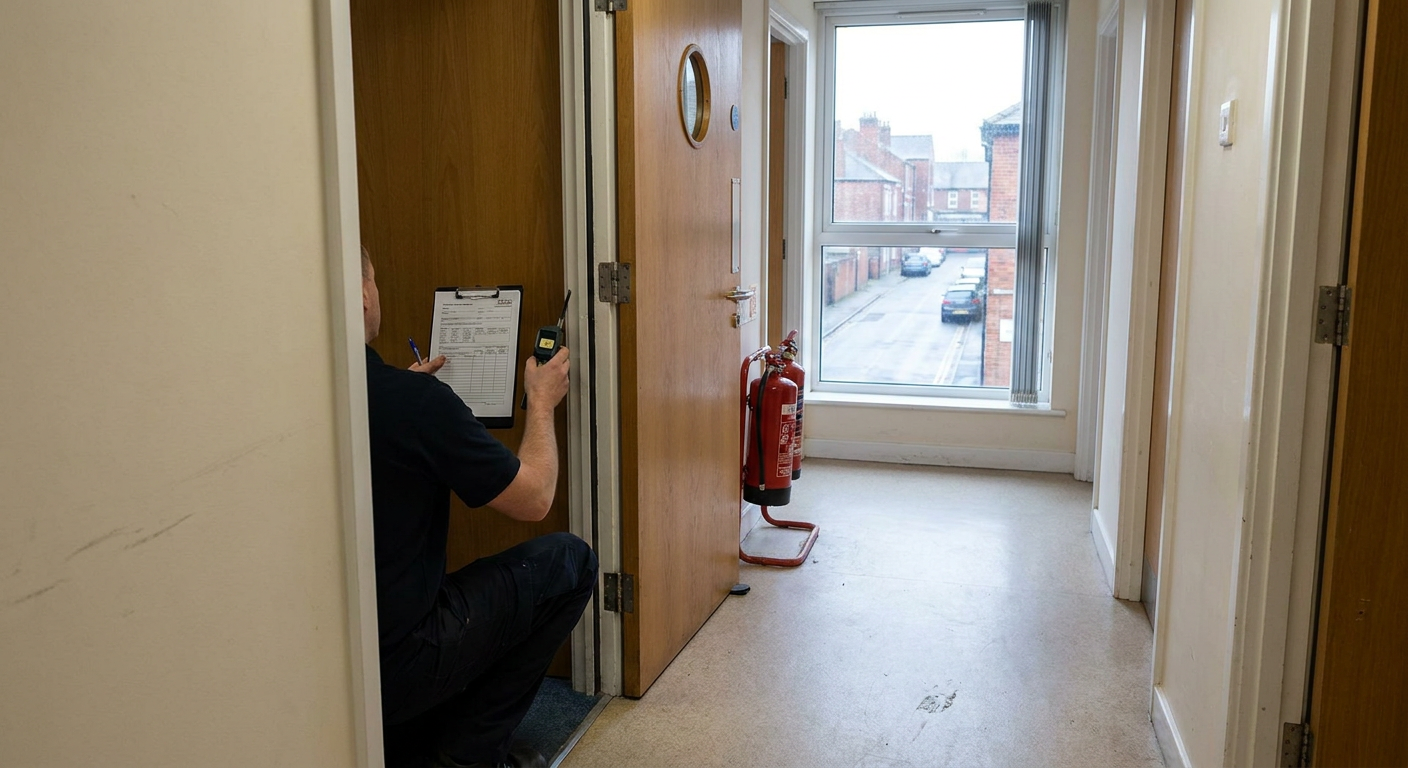
Readingfire takes enquiries about fire risk management and passes them to a separate specialist firm. That firm carries out the work. When you enquire, the assessor does not quote from a brief description over the phone. They visit the building first, walking every route and checking each door, so the fee reflects the actual layout rather than a guess. This matters because a Victorian terrace in Caversham presents different challenges from a 1970s block in Whitley.
The specialist covers the whole area. If you are searching for a fire risk assessor in Caversham, Tilehurst, Earley, or the town centre itself, the same local knowledge applies. You can read more about [how the process works from enquiry to report](/the-specialist/how-we-work-reading). The visit typically takes a few hours, depending on the building's size. Afterwards, the assessor writes up the findings. There is no waiting around for weeks; the turnaround is kept short so you have the document while the details are still fresh.
What the report contains and what it costs
People frequently ask about fire risk assessment reading cost. The fee depends on the building, which is why the site visit comes first. What you receive for that fee is a written record of the hazards found, the people at risk, and the steps required to reduce that risk. It is not a generic template. Every recommendation ties back to something the assessor saw on the day.
You can act on the report yourself. It lists clear actions, such as replacing a broken closer on a communal door or clearing boxes from a stairwell. Some actions are straightforward maintenance. Others might lead you to book a [fire door inspection](/fire-door-inspection-reading) or a [compartmentation survey](/compartmentation-survey-reading) if the assessor suspects hidden problems behind walls or above ceilings. The specialist does not simply hand over a list and leave. Where further work is needed, the report explains why, and the specialist firm can carry out those specific tasks.
When the assessment finds something serious
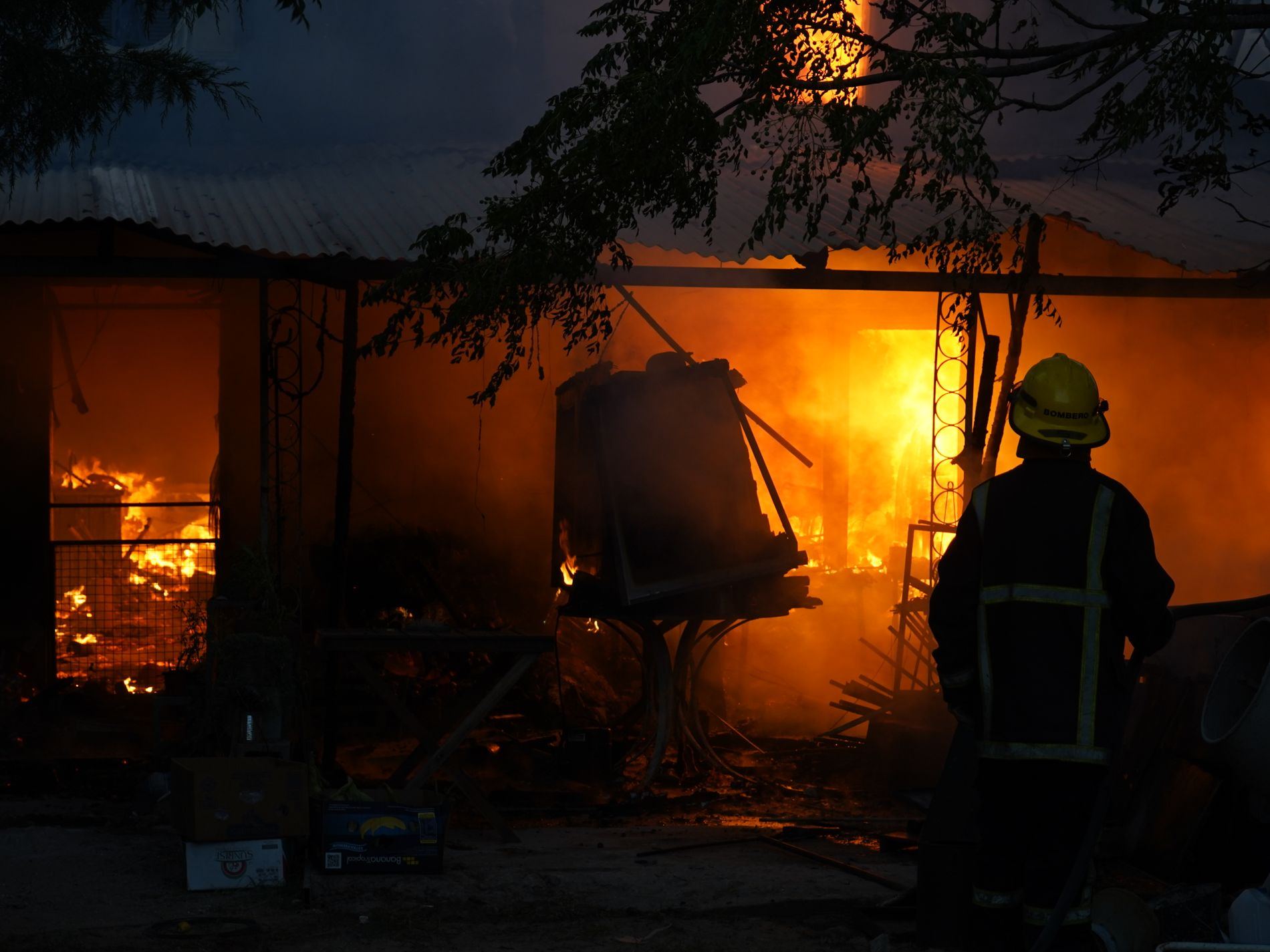
Most visits uncover manageable issues. Sometimes the assessor finds a problem that puts people in immediate danger, like a blocked escape route or a fire door held open with a wedge in a building full of sleeping residents. When that happens, the report flags it as a priority action. You will know exactly what needs fixing today rather than next month.
In rare cases, the fire authority may already be involved. If you have received a letter from the council, there is specific guidance on what to do after a [fire safety enforcement notice](/rules/fire-safety-letter-or-notice). The specialist firm handles these situations regularly across Reading and Berkshire. They also advise on [how often the assessment needs reviewing](/rules/how-often-reviewed-reading), since a report is only current until the building changes. For landlords letting to students, arranging checks before September is standard practice, and [specific guides cover what to look for](/rules/checks-before-students-move-in).
Arranging fire safety work for your building
Different buildings present different risks, so the type of assessment or survey required varies from one address to another.
The specialist advises which suits after inspecting the building.
Typical building
- Standard assessment
- Shops, offices, small HMOs
- Specialist survey
- Large blocks, complex layouts
Focus
- Standard assessment
- General fire precautions and routes
- Specialist survey
- Specific elements like doors or walls
Outcome
- Standard assessment
- Written record with action plan
- Specialist survey
- Detailed technical report on one system
Follow-up work
- Standard assessment
- Maintenance or staff training
- Specialist survey
- Remedial repairs by a contractor
Ask about your building in Reading
Send a message describing your building and the problem you have noticed. The enquiry goes to the specialist firm, who will reply with advice. It does not commit you to booking anything.
- No obligation to proceed
- Local advice for Reading
- Clear next steps