Fire risk assessment Reading
Fire risk assessment in Reading
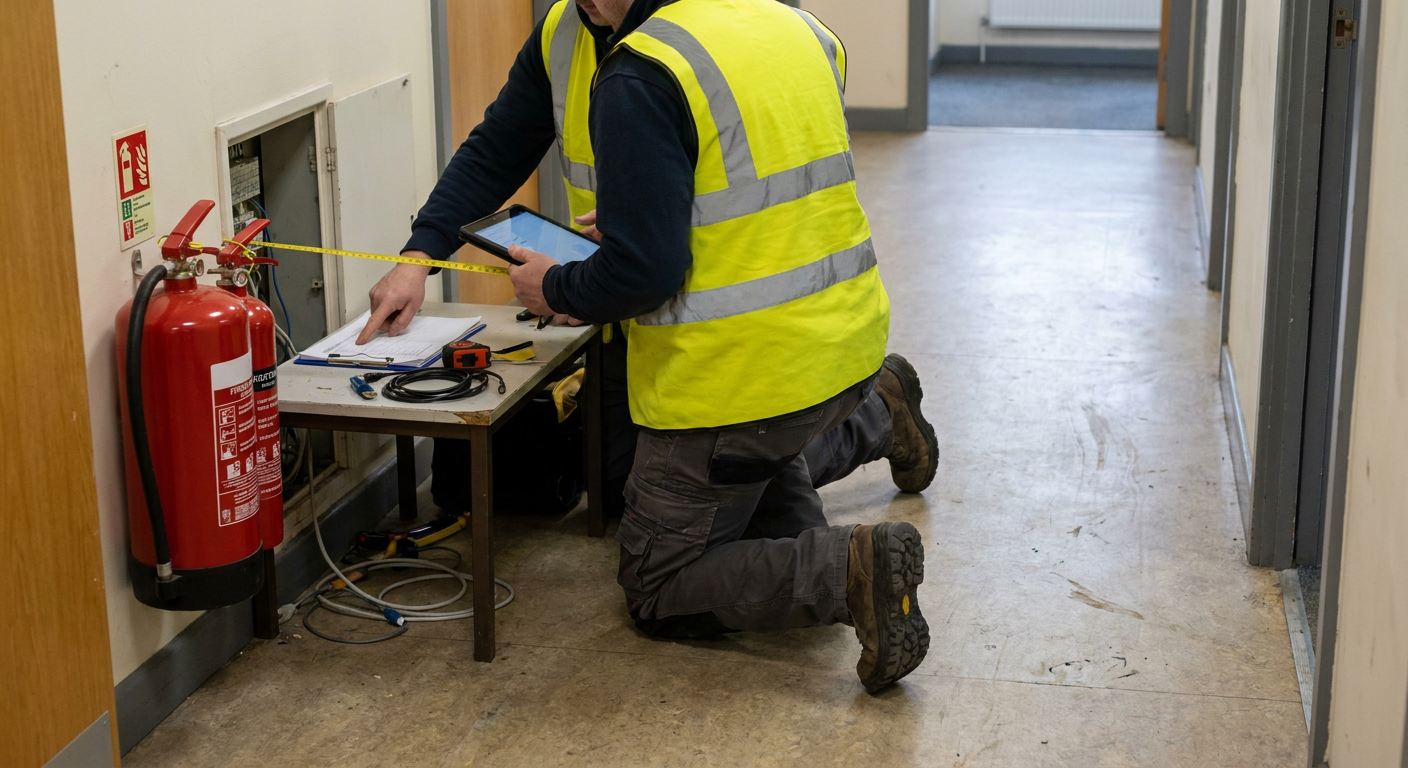
A fire risk assessment in Reading records what could start a fire and how people would get out. The specialist walks through the building, checks doors and routes, then writes up what needs doing. Send an enquiry to find out what applies to your home.
- No cost to send an enquiry
- Written report you can keep
- Covers flats, HMOs and houses
Ask about your building
What the assessment covers in Reading
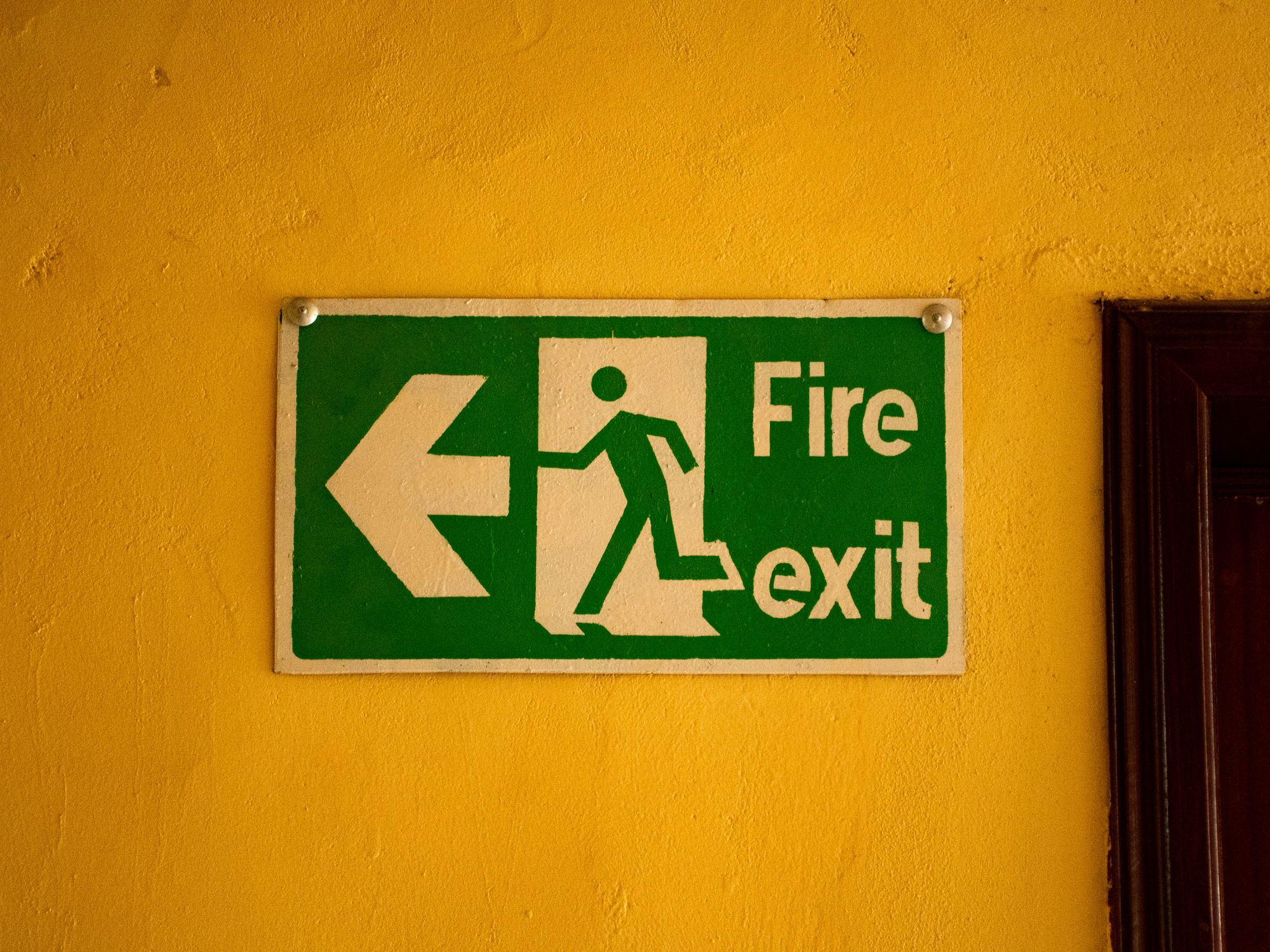
Escape routes and exits
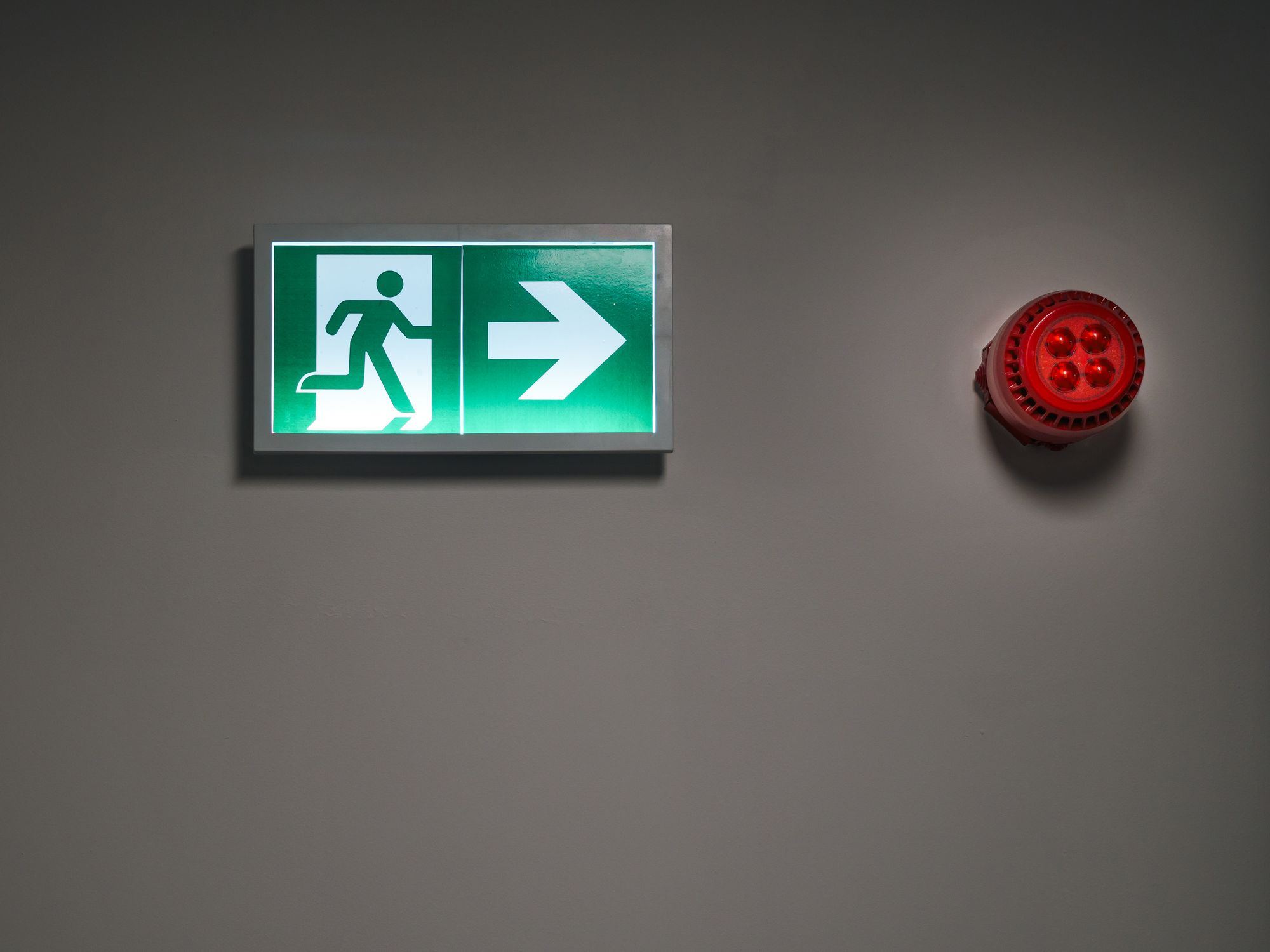
The specialist traces every route from each room to the final exit door, noting obstructions, locked doors or missing signage.
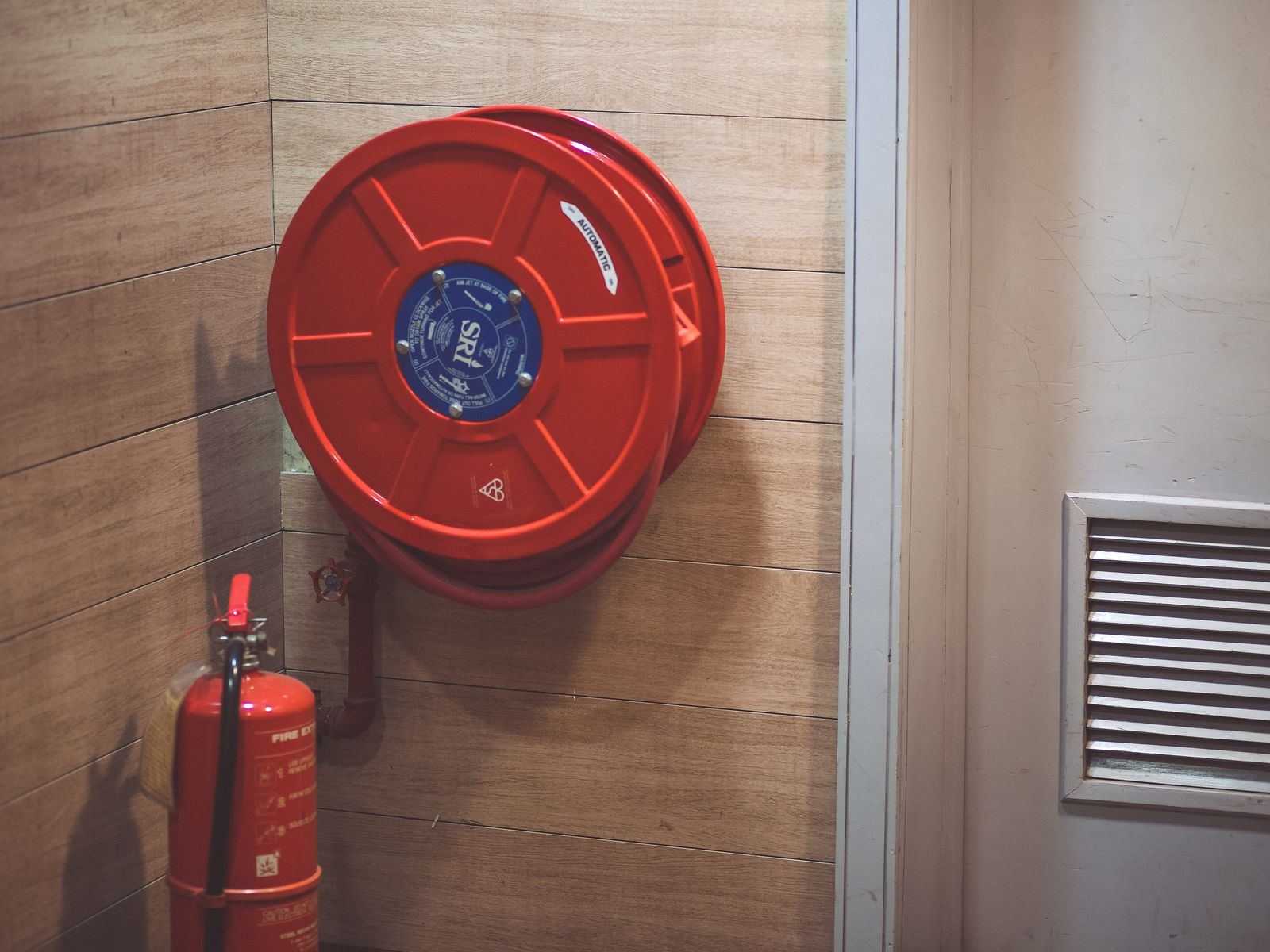
Fire doors and compartmentation
Gaps around frames, damaged seals and broken closers are logged. A separate compartmentation survey may be recommended if walls look altered.
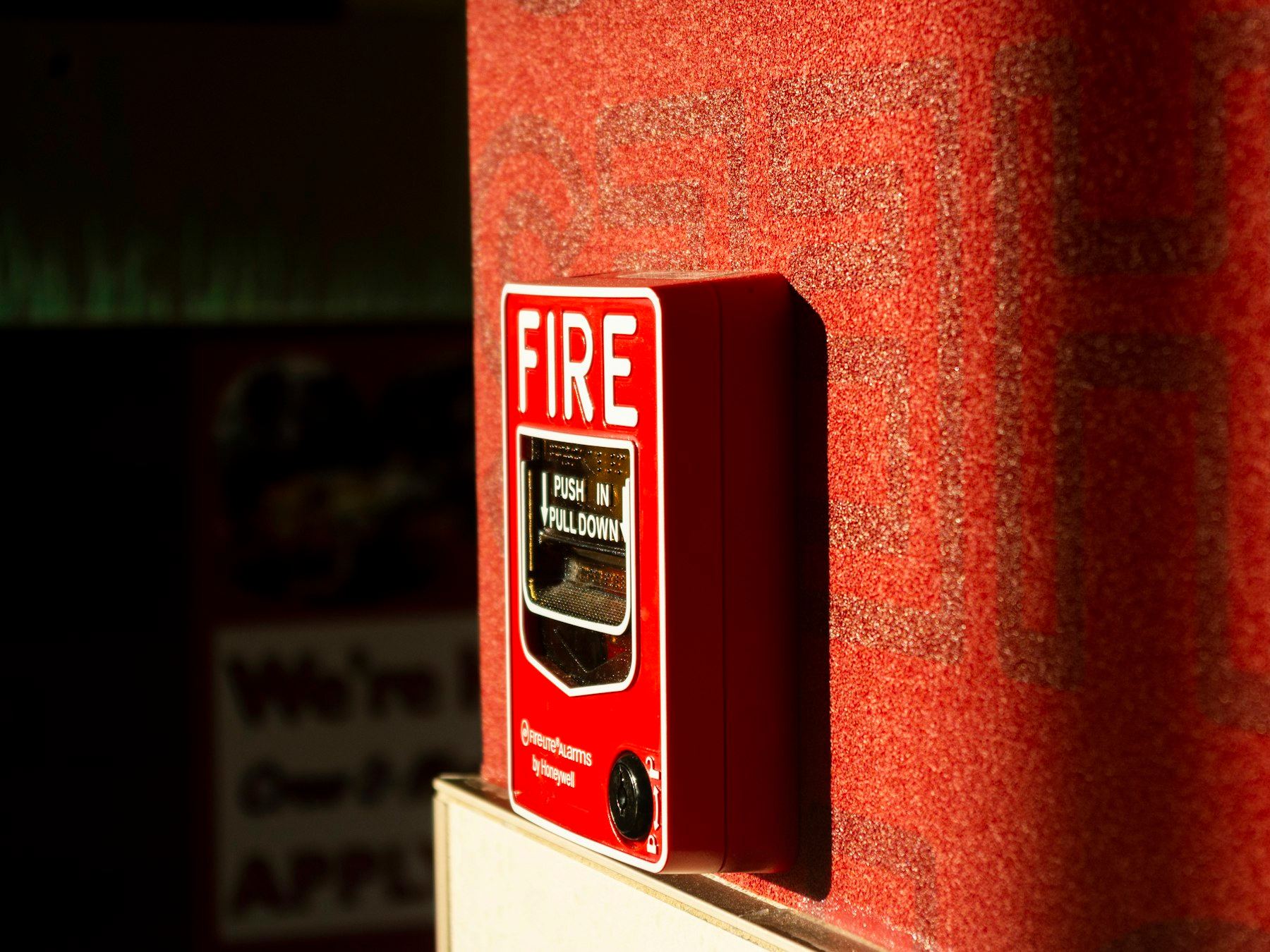
Detection and alarms
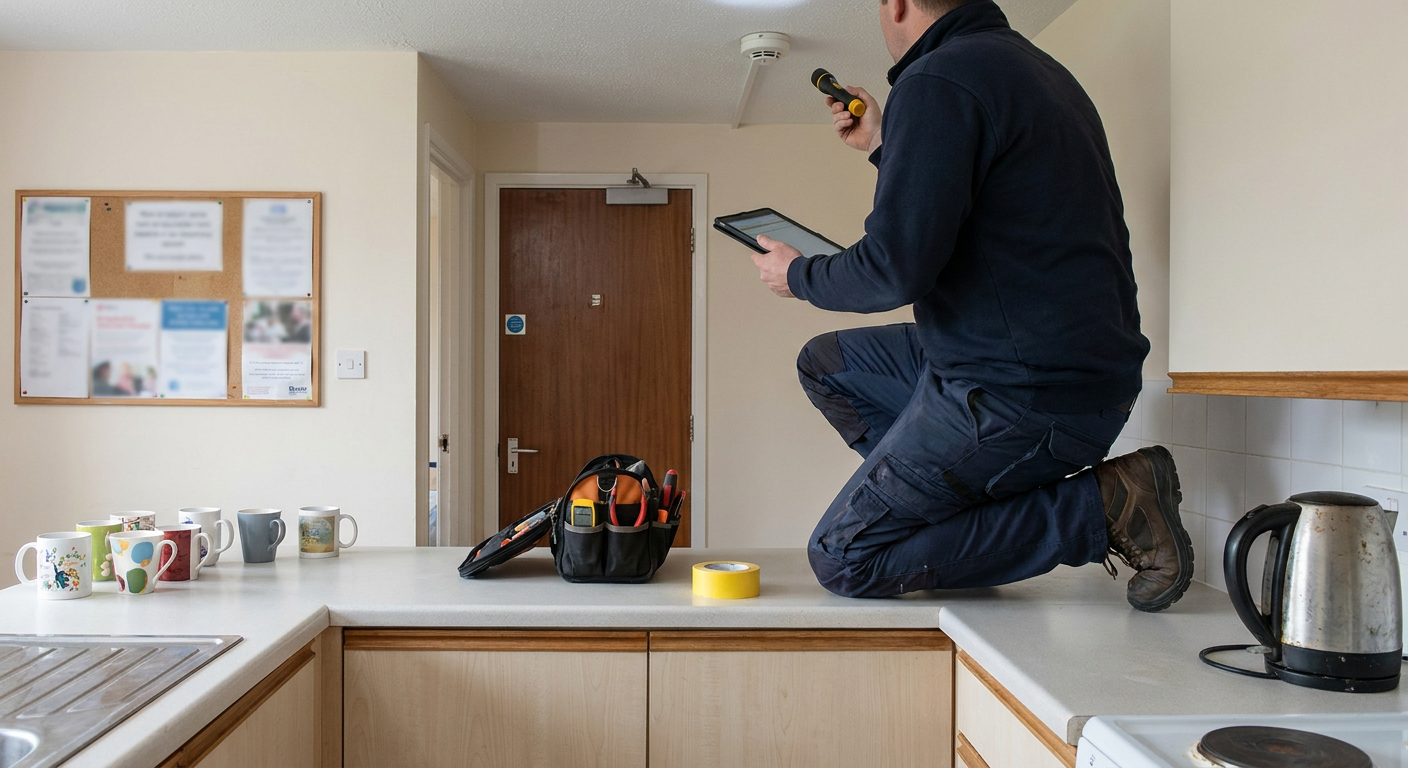
Alarm panels, smoke detectors and call points are checked for type, placement and working order against current standards.
Emergency lighting
The specialist tests whether lights come on when power cuts, covering stairwells, corridors and the final exit.
Firefighting equipment
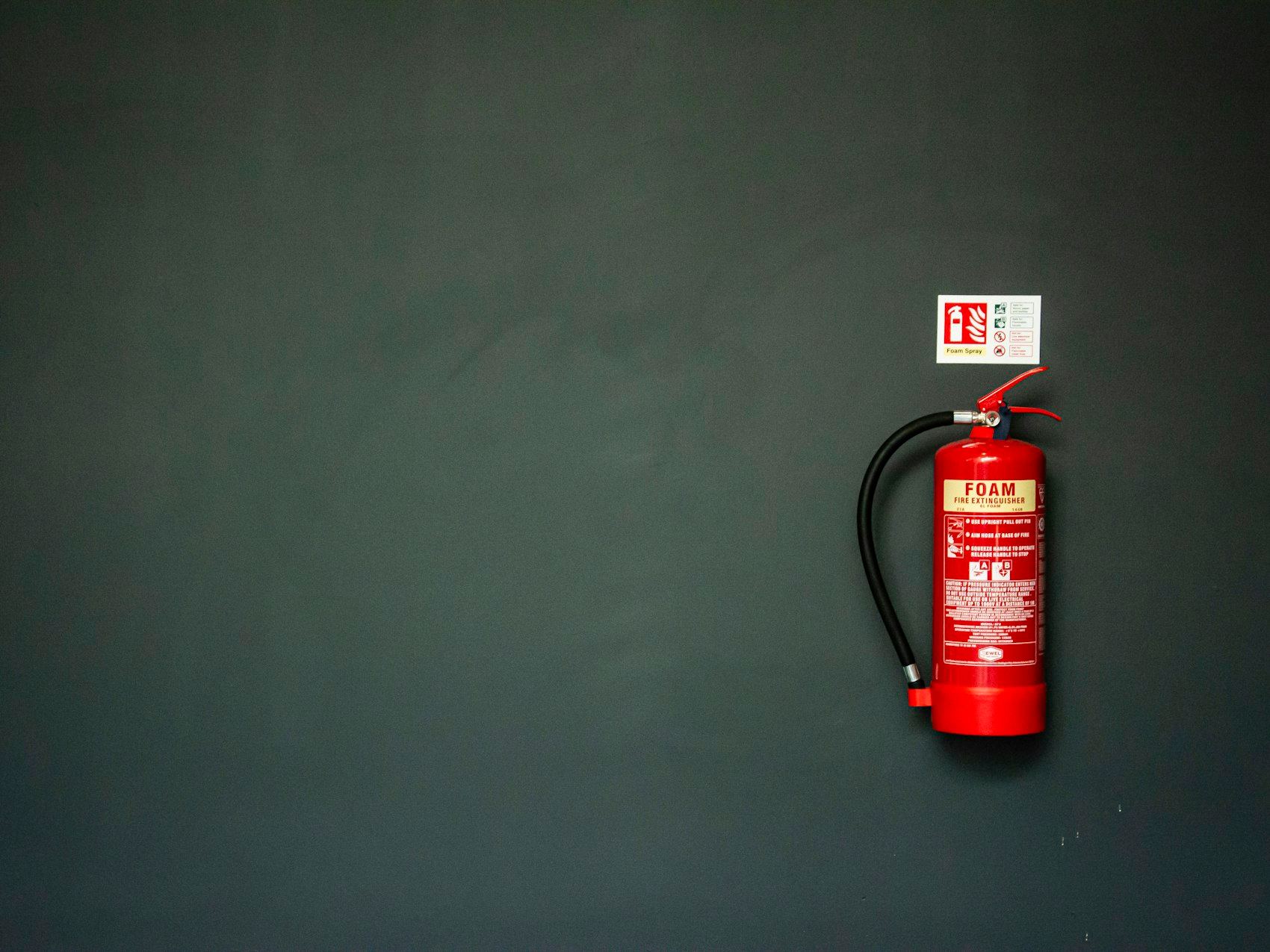
Extinguishers and blankets are counted, dated and placed against the risks found in each area of the building.
How the visit works from start to finish
The process follows a set pattern so nothing is missed and the written report matches what was seen on the day.
Enquiry received
Details about the building are taken so the right specialist is assigned to the job.
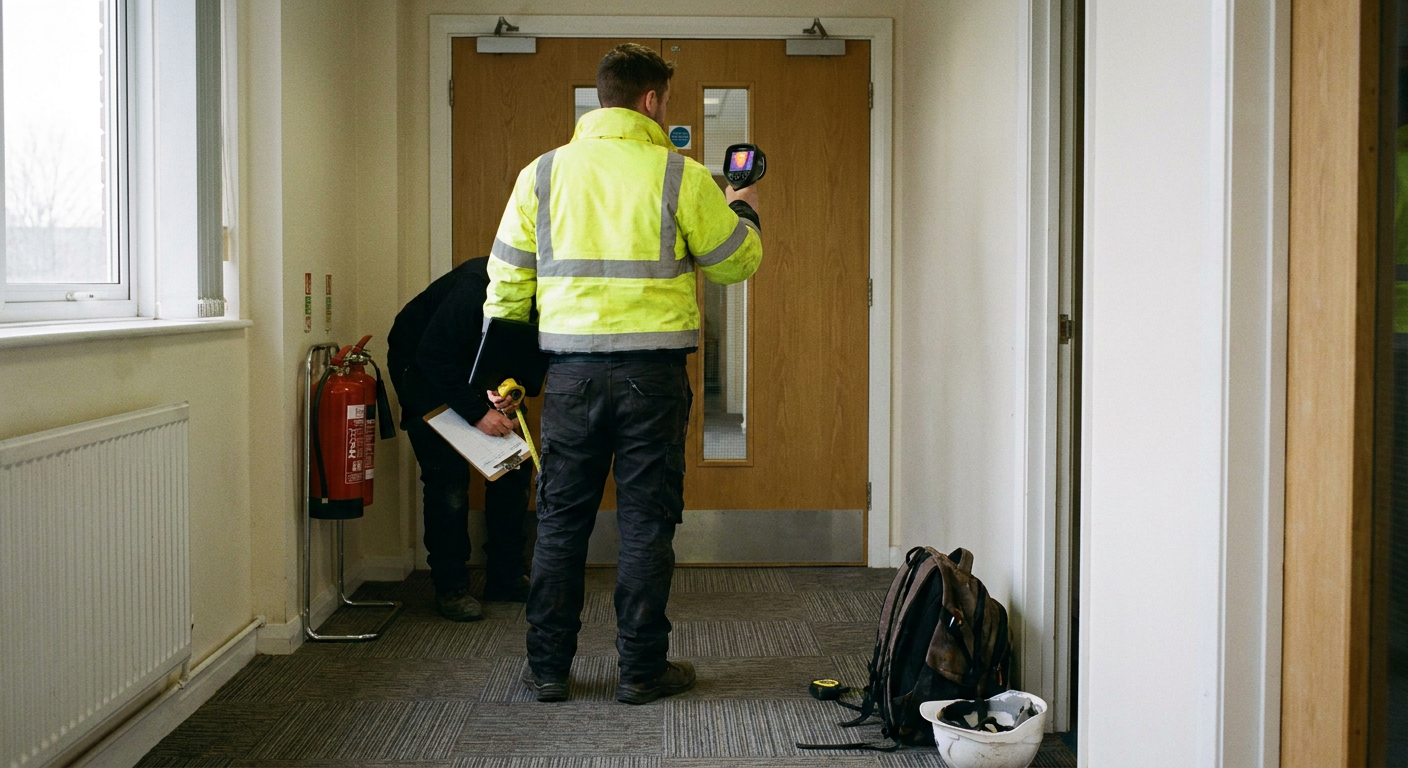
Site walk-through
The assessor inspects every accessible room, corridor, stairwell and external escape route.
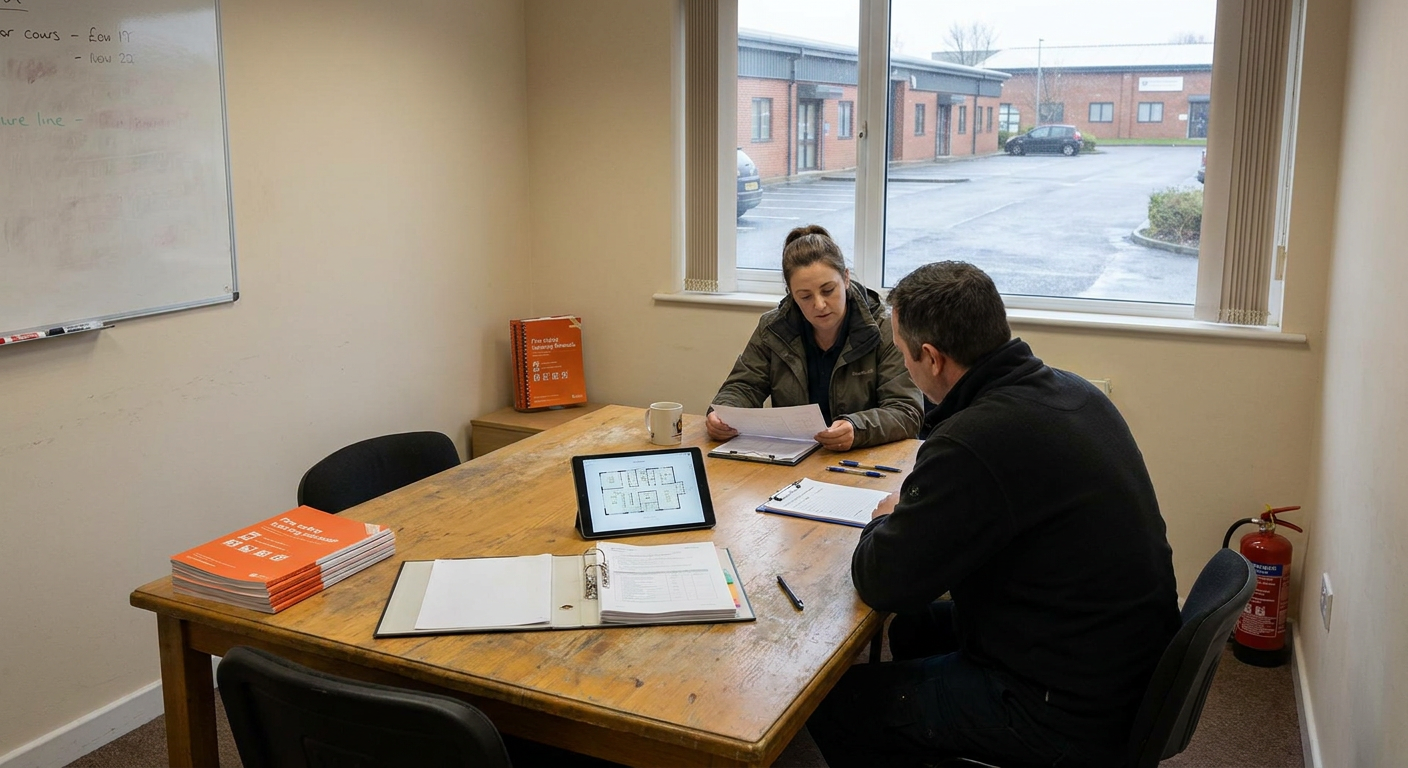
Report issued
Findings, risks and required actions are written up with clear deadlines for each item.
Signs that point to fire risk problems
The same sign can mean different things depending on where it appears. A gap under a door matters more on a stairwell than inside a bedroom cupboard.
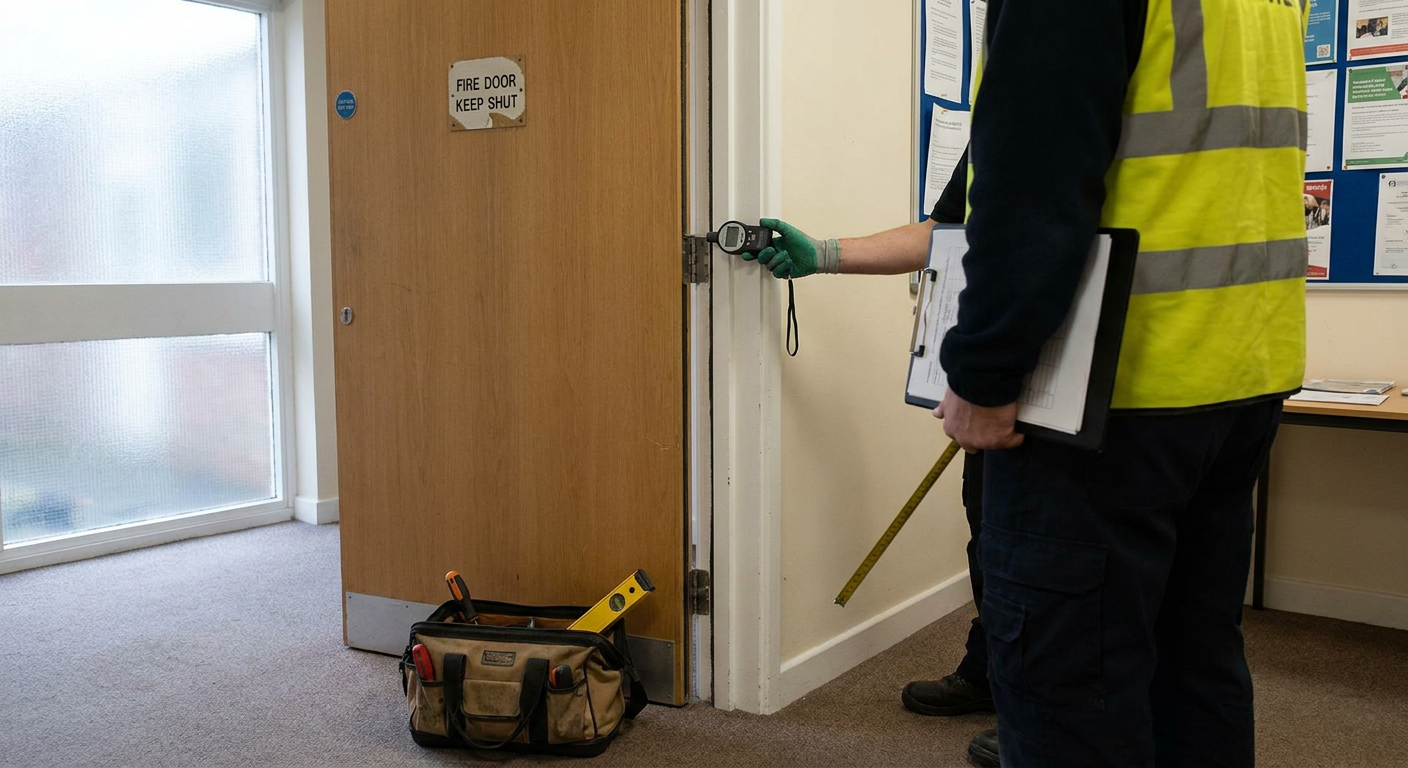
- A gap around the front door frame
- Smoke can pass between rooms. A fire door inspection measures the gap and checks whether new intumescent seals or adjustments will fix it.
- The alarm panel shows a fault light
- Part of the detection system has failed. The specialist traces the circuit to find the broken detector or wiring fault.
- No emergency lights in the hallway
- A reading here usually points to escape routes that become too dark if the mains power fails. The specialist records which corridors and stairwells need battery-backed emergency lighting fitted so residents can find their way out safely.
- Boxes stacked in the stairwell
- The escape route is blocked. The assessment records this as an immediate action because it stops people getting out quickly.
How Readingfire works
Readingfire takes enquiries about fire risk management in Reading. Separate specialist firms carry out the assessments and write the reports on their own account. Nothing is charged here to ask a question or describe a building.
- Enquiries are taken without any fee or obligation to proceed further
- Separate firms do the site visits and issue the reports directly
- Each building or block needs its own assessment rather than a shared one
- The written report satisfies insurers looking for evidence of compliance
- Reviews are recommended whenever the layout or use of the home changes
Areas covered near Reading
Enquiries are taken for homes across Reading. The specialist firms operate throughout the town, including Whitley, Earley, Caversham and Tilehurst.
If your street sits just outside these areas, send an enquiry anyway to check availability.